

How ABA Therapy Supports Communication Beyond Words
Applied Behavior Analysis (ABA) therapy has long been recognized for its success in supporting individuals with autism spectrum disorder (ASD), especially when it comes to fostering communication. While many people think of communication as spoken language, real connection extends far beyond verbal expression. This is especially true for individuals with nonverbal autism, for whom communication must be explored through alternative, supportive strategies. In Winston-Salem, families are increasingly turning to ABA therapy not only to help their children speak but also to teach them how to connect, respond, and engage with the world in deeply meaningful ways.
The Foundations of Communication in ABA Therapy
Communication is more than just words. It involves gestures, facial expressions, body language, sign language, visual supports, and even assistive technologies. ABA therapy starts by assessing a child’s current level of communication, regardless of whether that includes verbal speech. For children with limited or no verbal ability, ABA professionals in Winston-Salem prioritize foundational skills such as eye contact, imitation, joint attention, and response to cues.
These early steps lay the groundwork for more complex communication. By using principles of reinforcement, therapists gradually shape behaviors that can substitute for or support verbal communication. The emphasis is on functional communication, enabling the child to make requests, express feelings, reject items, and share enjoyment with others. For example, a child might learn to point to a picture of a toy to indicate a desire to play. Over time, these small but critical successes form the basis of more advanced interaction.
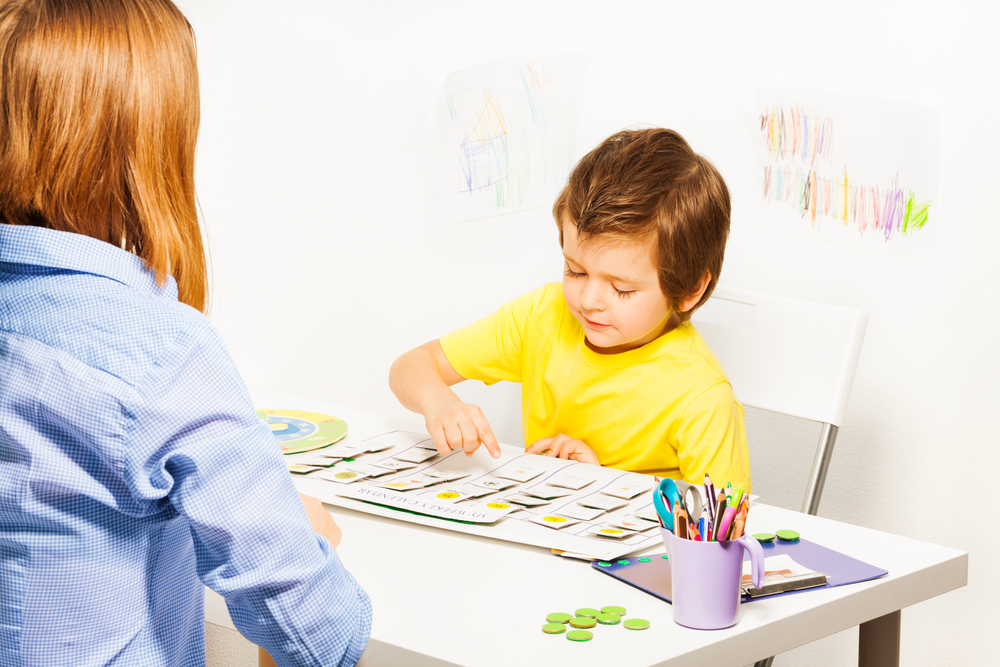
ABA communication skills in Winston-Salem programs are typically tailored to each child’s developmental level. They may involve the use of visual schedules, token boards, or communication boards that support understanding and reduce frustration. These tools are not replacements for speech but bridges toward it or complements to it, depending on the individual’s needs.
Alternative and Augmentative Communication (AAC) in ABA
For children with nonverbal autism, alternative and augmentative communication (AAC) systems are often an essential component of autism communication therapy in Winston-Salem. ABA therapists are trained to identify the most suitable AAC options, which can include picture exchange communication systems (PECS), speech-generating devices, or sign language.
AAC tools are integrated into ABA sessions in a structured and supportive way. The therapist works with the child consistently to encourage the use of these systems during activities that matter to them. If a child enjoys snack time, for instance, they might be taught to use a picture card to request their favorite food item. Gradually, as the child sees that communication helps them get their needs met, they are more motivated to engage in these strategies.
Far from being a “last resort,” AAC is an empowering method that gives nonverbal children a voice. The misconception that using AAC will prevent a child from learning to talk is outdated. In fact, many children using AAC also begin to develop spoken language over time. ABA therapists understand that the goal is effective communication, not necessarily speech alone. Through ongoing support and adjustment, nonverbal autism support in Winston-Salem becomes more impactful with the use of these innovative tools.
Encouraging Social Interaction Through Play and Daily Routines
ABA therapy deeply values the importance of social connection. For children with autism, engaging with peers, family members, and caregivers can be challenging, especially when verbal language is limited. ABA communication skills in Winston-Salem are taught through structured play and real-life interactions, helping children develop both receptive and expressive communication in a natural context.
Play-based therapy sessions might involve turn-taking, imitation games, or group activities where the child is encouraged to share toys or gestures. Therapists break down these interactions into manageable steps and use reinforcement to encourage participation. Even simple exchanges like handing over a toy, looking at a peer, or smiling at a caregiver are considered vital social communication achievements.
In daily routines, therapists coach parents and caregivers on how to create communication opportunities during activities like mealtime, bath time, or dressing. If a child learns to tap a picture to request a favorite cereal, or signs “all done” after a bath, they are participating in functional communication. These daily interactions serve as the best classroom for children with autism to generalize their skills beyond therapy sessions.
Autism communication therapy in Winston-Salem frequently involves parent training sessions. These give families the tools to encourage communication naturally throughout the day. With consistent support, children not only learn to communicate their wants and needs, they also begin to experience the joy of being understood.
Emotional Communication and Behavior Understanding
A major component of nonverbal autism support in Winston-Salem involves recognizing that behavior itself is a form of communication. Children on the autism spectrum may scream, cry, or withdraw not out of defiance or disobedience, but because they are trying to convey something they cannot express in words. ABA therapy teaches therapists and families to interpret these behaviors, uncover their underlying meaning, and replace them with more appropriate forms of communication.
For example, a child who throws a toy might be indicating frustration, overstimulation, or a desire for attention. Rather than punishing the behavior, ABA professionals analyze the antecedent (what happened before), the behavior itself, and the consequence (what happens after). This ABC model helps identify patterns and develop replacement strategies.
Through this lens, therapists teach emotional communication strategies. A child might be taught to use a feelings chart, press a button on a device to express “I need help,” or sign a specific word when overwhelmed. By equipping children with these tools, ABA therapy reduces challenging behaviors and enhances emotional resilience.
Emotional development is a crucial but sometimes overlooked part of communication. When children begin to identify, express, and manage their feelings, they are better able to engage with others, regulate their reactions, and feel more secure in their environment. ABA’s structured yet flexible approach ensures that this emotional layer of communication is supported alongside cognitive and verbal growth.
Long-Term Communication Growth and Independence
ABA therapy is not a quick fix; it is a long-term investment in a child’s growth and independence. Communication development is a journey, often requiring years of consistent support and practice. The strategies taught through autism communication therapy in Winston-Salem evolve with the child, adapting to their changing needs, environments, and goals.
As children progress, they may move from picture-based requests to verbal prompts, from single-word expressions to full sentences, or from scripted communication to spontaneous conversation. Each step is celebrated, and each success reinforces the belief that communication is possible in a way that is unique to the child.
For nonverbal individuals, progress may include learning to navigate more advanced AAC devices, using facial expressions to show emotion, or maintaining eye contact during interactions. The focus remains on ensuring that communication is meaningful, reliable, and functional for the child’s everyday life.
ABA therapists in Winston-Salem often collaborate with speech-language pathologists, educators, and other professionals to ensure a holistic approach. This team-based model ensures that the child’s communication progress is reinforced in all settings, whether at school, at home, or in the community. As a result, many children develop the skills they need to advocate for themselves, build relationships, and participate more fully in the world around them.
Conclusion
ABA therapy opens the door to communication in ways that go far beyond spoken words. In Winston-Salem, families seeking ABA communication skills support find a therapy model that understands the deep complexities of autism and offers practical, personalized strategies. Through early intervention, structured learning, emotional support, and alternative communication tools, ABA gives children the ability to connect and be understood.
Nonverbal autism support in Winston-Salem is not about forcing speech but about uncovering the right pathways for each individual to express their thoughts, feelings, and desires. Whether through gestures, pictures, signs, or technology, the goal remains the same: to build a bridge between the child and the world. With the right support, communication becomes not just possible but transformative, empowering children with autism to thrive in every area of life.
Need In-Home Autism Therapy in Winston-Salem, NC?
Here at Modern Hope Autism Center, we understand how important it is to find the right support for your child, and we’re here to help every step of the way. Whether you’re looking for in-home ABA therapy, center-based services, or family training, our dedicated team is ready to provide the high-quality care your child deserves. We’re committed to creating a comfortable, nurturing environment where your child can thrive. If you have any questions or want to learn more about how we can support your family, don’t hesitate to reach out—we’re here to assist you in building a brighter future for your child.