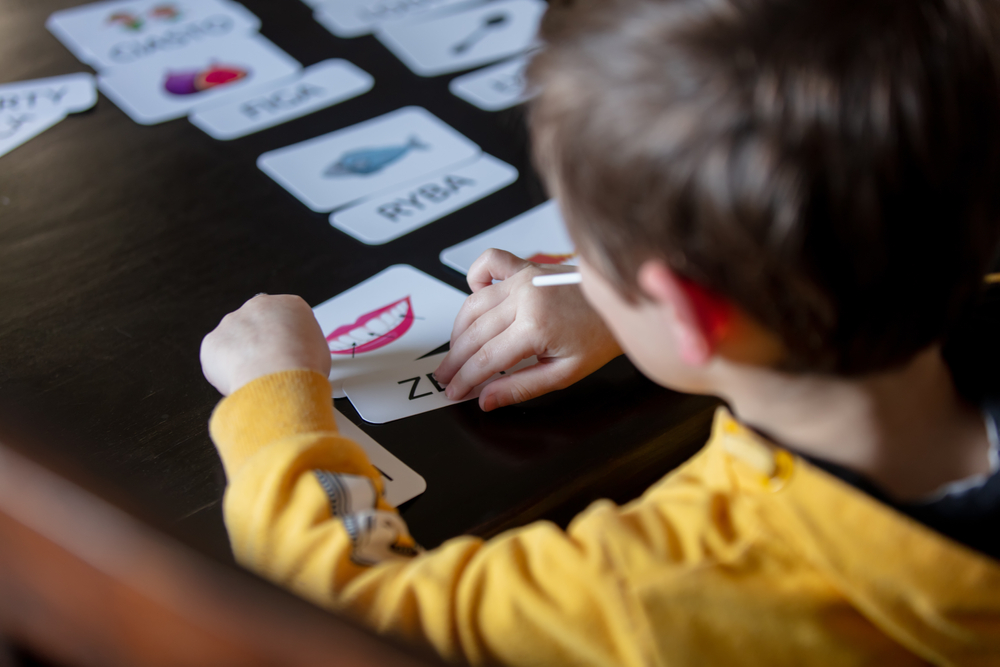
Dinner is ready, everyone’s sitting down, and you’ve prepared a meal you hope your child will enjoy. But when you place the plate in front of them, they push it away. Maybe the texture feels uncomfortable, the smell is overwhelming, or the food looks different from what they’re used to eating. Before long, another family meal has become stressful for everyone.
For parents throughout Winston-Salem, Clemmons, Kernersville, and surrounding Triad communities, feeding challenges can be a familiar part of raising a child with autism. Some children prefer a small selection of foods, while others experience strong sensory responses, difficulty communicating their preferences, or discomfort when their mealtime routines change.
Fortunately, there are supportive ways to help children feel more comfortable exploring food. ABA therapy for picky eating can address certain behavioral and daily living skills through individualized teaching, gradual exposure, and positive reinforcement. However, feeding difficulties can also involve medical, nutritional, sensory, or swallowing concerns that require other professionals.
Here are several important things for families to know:
Food selectivity: Some autistic children prefer particular brands, colors, textures, temperatures, or presentations.
Sensory feeding issues: Strong responses to smells, tastes, and textures can make unfamiliar foods genuinely uncomfortable.
Communication support: Helping children express hunger, fullness, preferences, and discomfort can reduce mealtime frustration.
Gradual exposure: Low-pressure opportunities to explore foods may help children build familiarity at their own pace.
Family involvement: Consistent, individualized strategies can help caregivers create more predictable, comfortable mealtime routines.
At Modern Hope Autism Center, we provide individualized ABA therapy and family training for children with autism throughout Winston-Salem and surrounding communities. Our Board Certified Behavior Analysts and therapy team work with families to develop meaningful goals involving communication, daily living skills, and participation in everyday routines.
Why Do Some Children With Autism Experience Feeding Challenges?
Feeding challenges in autism can result from sensory sensitivities, communication differences, anxiety around unfamiliar foods, medical discomfort, or difficulties with chewing and swallowing. Understanding the reason behind a child’s eating difficulties is essential because strategies that help one child may be ineffective or inappropriate for another.
Sensory Sensitivities to Food
Some children experience food textures, temperatures, smells, or appearances more intensely than other people.
A child might comfortably eat crunchy crackers but avoid soft foods such as mashed potatoes. Another may prefer smooth foods or become uncomfortable when different foods touch on the same plate.
These preferences aren’t necessarily defiance or misbehavior. Sensory experiences can create genuine discomfort, and that discomfort deserves to be understood.
Strong Preferences for Familiar Foods
Predictability can make mealtimes feel more comfortable for some autistic children.
A child may prefer a particular brand of cereal, consistently shaped chicken nuggets, or a familiar plate and utensil arrangement.
Even small changes in packaging, preparation, or food appearance can affect their willingness to eat.
For families managing feeding challenges autism can be associated with, recognizing these patterns helps identify what makes meals comfortable and what may be creating additional stress.
Medical or Oral-Motor Difficulties
Not every feeding difficulty is behavioral or sensory.
Constipation, reflux, food allergies, dental pain, swallowing difficulties, and oral-motor challenges can affect a child’s ability or willingness to eat.
For that reason, significant food restriction or persistent feeding problems should be discussed with a pediatrician. Some children may also need evaluation by a registered dietitian, occupational therapist, speech-language pathologist, or specialized feeding team.
When Is Picky Eating a Reason to Seek Professional Support?
Picky eating deserves professional attention when food restrictions affect nutrition, growth, health, daily functioning, or a child’s ability to eat comfortably. Parents should also seek guidance when a child’s accepted foods become increasingly limited or meals regularly involve significant distress.
Common warning signs include:
Eating an extremely limited range of foods.
Refusing entire food groups or textures.
Frequently gagging, coughing, or choking while eating.
Losing weight or showing concerns about expected growth.
Avoiding meals because of pain or discomfort.
Becoming increasingly distressed around food.
Experiencing persistent constipation or other digestive symptoms.
Losing foods that were previously accepted.
If your child is coughing or choking during meals, has difficulty swallowing, or shows signs of dehydration, seek medical guidance promptly. Severe choking or breathing difficulty requires emergency attention.
Families in Forsyth and Davidson Counties can begin by discussing feeding concerns with their child’s pediatrician. A medical evaluation can help determine whether additional specialists or nutritional support are needed before introducing behavioral strategies.
How Can ABA Therapy Help With Picky Eating?
ABA therapy for picky eating may help children develop mealtime communication, participate in predictable routines, and become more comfortable interacting with unfamiliar foods. Effective treatment should be individualized, collaborative, and responsive to the child’s comfort rather than focused on forcing food consumption.
Understanding What Happens During Meals
A Board Certified Behavior Analyst, or BCBA, can work with caregivers to better understand the circumstances surrounding mealtime difficulties.
For example, a child may become upset when preferred foods are removed, when several unfamiliar foods appear together, or when adults repeatedly encourage them to take another bite.
Understanding these patterns can help the treatment team identify goals that reduce distress and support meaningful participation.
Building Communication Skills
Some children have difficulty explaining why they don’t want a particular food.
ABA-based communication teaching may help a child request a preferred food, ask for help, express discomfort, or indicate that they’re finished eating.
Depending on the child’s communication style, these skills might involve spoken language, gestures, pictures, or an augmentative communication device.
Being able to communicate “no,” “all done,” or “I need a break” is just as important as learning to request food.
Supporting Positive Mealtime Experiences
Positive reinforcement involves acknowledging or encouraging meaningful progress in ways that are appropriate and motivating for the child.
For example, a child who willingly explores a new food’s appearance or texture might receive encouragement or an opportunity to participate in a preferred activity.
However, food should never be forced, and reinforcement shouldn’t be used to override signs of distress, fullness, pain, or refusal.
At Modern Hope Autism Center, we develop individualized ABA treatment plans that can address daily living and communication skills. When feeding-related goals are appropriate, we emphasize collaboration with families and other relevant healthcare professionals.
Gradual Food Exposure: Helping Children Explore at Their Own Pace
Gradual food exposure involves introducing unfamiliar foods through small, manageable experiences without demanding that a child immediately taste or swallow them. This approach can help reduce anxiety and create opportunities for exploration when the child feels comfortable and is medically safe to participate.
Start With Familiarity
For some children, progress may begin simply by having an unfamiliar food nearby.
A parent might place a new food in a separate dish while keeping the child’s familiar meal available.
Over time, the child may become comfortable looking at the food, smelling it, or interacting with it during play.
These steps should remain voluntary rather than becoming requirements for finishing a meal.
Explore Textures Through Play
Sensory activities can help children become familiar with different textures outside the pressure of eating.
For example, a child might enjoy helping wash vegetables, touching dry pasta, or participating in simple food preparation.
These activities can provide opportunities to explore unfamiliar materials without an expectation of tasting them.
Celebrate Individual Progress
A child who previously became distressed when an unfamiliar food appeared may eventually tolerate it nearby. Another child might begin helping prepare a snack or communicating which textures feel comfortable.
These changes can represent meaningful progress even when the child’s diet hasn’t expanded.
The goal is to support comfort, autonomy, and positive experiences rather than measuring success only by the number of new foods eaten.
Practical Autism Mealtime Strategies for Busy Winston-Salem Families
Practical autism mealtime strategies focus on predictable routines, accessible communication, comfortable environments, and low-pressure opportunities to engage with food. Families can often incorporate these approaches into everyday meals without turning dinner into an intensive therapy session.
Keep Mealtimes Predictable
Consistent meal and snack routines can help some children understand what to expect throughout the day.
For example, families in Winston-Salem balancing daycare, school, and work schedules might establish familiar times for breakfast, afternoon snacks, and dinner.
Visual schedules or simple reminders may help children prepare for transitions into mealtime.
Offer Familiar Foods Alongside New Options
Providing familiar foods can help a child feel comfortable while encountering something new.
Rather than replacing an entire meal with unfamiliar items, caregivers might offer a small amount of another food separately, without requiring the child to interact with it.
Children should continue receiving adequate food and nutrition while families work with professionals to address feeding concerns.
Reduce Sensory Overload
Some children find busy dining environments overwhelming.
Bright lighting, strong cooking smells, loud conversations, or crowded tables may make eating more difficult.
Adjustments such as reducing background noise, using familiar utensils, or allowing a quieter seating area can make meals more manageable.
Respect Hunger and Fullness
Children benefit from having their hunger, fullness, and food preferences respected.
Avoid withholding preferred foods, using physical pressure, or requiring a child to finish a plate as a condition for receiving something else.
If restrictive eating affects adequate nutrition, caregivers should work with qualified feeding and medical professionals rather than attempting to solve the issue through pressure.
How Center-Based ABA Therapy Can Support Mealtime Skills
Center-based ABA therapy can provide a structured setting where children practice communication, daily living routines, and sensory-related skills through individualized activities. When feeding concerns are part of a child’s treatment goals, the center environment may support carefully planned learning alongside appropriate medical or feeding-specialist guidance.
A Structured Environment With Flexible Support
At Modern Hope Autism Center, our Winston-Salem facility includes sensory rooms, motor rooms, play areas, and individual treatment spaces.
These areas allow our team to adjust activities according to each child’s learning preferences and comfort.
For children who benefit from predictable routines, structured sessions can offer opportunities to practice skills in a familiar environment.
Individualized Treatment Planning
Our BCBAs develop treatment plans based on each child’s strengths, developmental needs, and family priorities.
When mealtime participation is identified as a goal, the plan might focus on communication, tolerating routine changes, requesting breaks, or other appropriate daily living skills.
If a child has significant sensory feeding issues, nutritional deficiencies, or swallowing concerns, collaboration with qualified feeding specialists is important.
The BCBA and RBT Team Approach
A Board Certified Behavior Analyst oversees individualized behavioral treatment planning and monitors progress.
Registered Behavior Technicians, or RBTs, implement approved interventions under appropriate supervision.
This collaborative approach allows our team to observe how a child responds to activities and make adjustments when needed.
Measurable goals might include increased use of communication tools, greater comfort during mealtime routines, or more independent participation in age-appropriate food preparation.
Why Family Training Matters for Feeding Challenges
Family training helps caregivers understand and apply individualized strategies in the environments where children spend most of their time. For families managing feeding difficulties, practical coaching can support consistent communication, predictable routines, and greater confidence during everyday meals.
Hands-On Parent Coaching
Our family training services include personalized coaching and guidance on ABA techniques.
We work with caregivers to identify goals that fit their child’s needs and the family’s daily schedule.
For example, a parent might learn how to use a visual choice board to help their child communicate food preferences.
Encouraging Consistency at Home
Children may respond differently to mealtimes at home, school, and therapy.
Our team encourages communication between caregivers and providers so strategies remain consistent while accommodating the child’s needs in each environment.
Families should also share observations about distress, sensory discomfort, or changes in eating behavior so treatment plans can be adjusted appropriately.
Supporting Families Throughout the Triad
We offer family training autism support in Winston-Salem and surrounding communities, including Clemmons, Kernersville, Lexington, Lewisville, High Point, and other nearby areas.
Training options include in-person and virtual sessions, depending on the family’s needs and service availability.
Our parent coaching ABA approach focuses on practical strategies that caregivers can use beyond scheduled therapy sessions.
Common Mistakes to Avoid When Addressing Feeding Challenges
Common mistakes include forcing children to eat, removing all preferred foods, overlooking medical concerns, and expecting immediate changes. These approaches can increase mealtime distress and may interfere with a child’s ability to develop a comfortable relationship with food.
One mistake is assuming that a child is refusing food simply because they’re being stubborn. Sensory discomfort, pain, motor difficulties, or anxiety may be influencing the situation.
Another is introducing too many unfamiliar foods at once. A child who becomes overwhelmed may benefit from a slower approach with predictable choices and manageable opportunities for exploration.
Finally, families sometimes focus entirely on food variety without considering whether the child is receiving adequate nutrition.
A pediatrician or registered dietitian can assess nutritional concerns and help families prioritize health and safety alongside developmental goals.
Frequently Asked Questions About Autism and Picky Eating
1. Is picky eating common in children with autism?
Yes, food selectivity and sensory-related feeding differences are common among autistic children. However, the degree of difficulty varies widely, and not every autistic child experiences feeding challenges. Persistent restrictions or nutritional concerns should be discussed with a healthcare professional.
2. Can ABA therapy help my child try new foods?
ABA therapy may support communication, predictable routines, and voluntary food exploration when these goals are appropriate. However, treatment should respect the child’s comfort and autonomy, and medical or feeding specialists should evaluate significant dietary restrictions or swallowing concerns.
3. What should Winston-Salem parents do if their child eats only a few foods?
Begin by discussing the concern with your child’s pediatrician, especially if you’re worried about nutrition, growth, or digestive symptoms. A referral to a feeding specialist or registered dietitian may be appropriate, alongside individualized behavioral support when indicated.
4. Does Modern Hope Autism Center address feeding-related daily living skills?
Our individualized ABA programs support communication, daily living skills, and other functional goals. Families can discuss mealtime participation and feeding-related concerns during treatment planning so we can determine which goals are appropriate and whether additional specialists should be involved.
5. Can parents learn ABA strategies for mealtimes at home?
Yes. Our family training services help parents learn individualized communication, reinforcement, and daily routine strategies. We encourage caregivers to use supportive approaches that respect their child’s preferences and avoid coercive feeding practices.
6. Does your Winston-Salem center have sensory spaces?
Yes. Our center includes sensory rooms, motor rooms, play areas, and individual treatment spaces. These environments allow us to adapt activities to different developmental needs and provide structured, individualized learning opportunities.
7. How long does it take to see progress with feeding challenges?
Progress varies considerably depending on the child’s medical needs, sensory experiences, communication abilities, and treatment goals. Some children may become more comfortable with mealtime routines before trying additional foods, and others may need ongoing multidisciplinary support.
8. Do you serve families outside Winston-Salem?
Yes. We serve families throughout the Triad, including Clemmons, Kernersville, Lexington, Lewisville, High Point, and surrounding Forsyth and Davidson County communities. Contact our team to discuss services, available appointments, and family training options.
Make Mealtimes More Comfortable With Individualized Autism Support in Winston-Salem
When your child struggles with eating, even the simplest family routines can become more complicated than you expected. You may find yourself preparing separate meals, worrying about nutrition, or wondering how to introduce new foods without creating additional stress. However, progress doesn’t have to mean finishing an entire plate or suddenly accepting unfamiliar foods. Sometimes, meaningful steps involve feeling more comfortable at the table, communicating preferences, or participating in food-related activities without distress. For Winston-Salem families, understanding the reasons behind feeding challenges can help guide the next steps toward appropriate support.
At Modern Hope Autism Center, we believe every child deserves an individualized approach that respects their needs, strengths, and comfort. Our BCBAs, RBTs, and family training team work with caregivers to develop practical goals involving communication, daily living skills, and everyday participation. Whether you’re exploring ABA therapy for the first time or looking for additional guidance with mealtime routines, we’re here to discuss your concerns and help you understand how our services may fit into your child’s broader care plan.
Contact Modern Hope Autism Center today to learn more about individualized ABA therapy, parent coaching, and daily living skills support in Winston-Salem, NC.
For families raising a nonverbal or minimally verbal child, everyday moments such as asking for a snack, requesting a break, or showing that something hurts can become significant communication challenges. In Winston-Salem, families may explore Applied Behavior Analysis, commonly called ABA therapy, as one approach to helping their child develop practical communication skills.
ABA therapy can help nonverbal children learn ways to express their needs, preferences, feelings, and choices through individualized teaching and positive reinforcement. Communication does not have to mean spoken words. Depending on the child, goals may involve gestures, pictures, communication devices, signs, vocalizations, or speech.
What Winston-Salem families should know
ABA therapy can break communication skills into manageable steps and provide repeated opportunities to practice them.
Communication goals should reflect the individual child rather than assuming spoken language is the only successful outcome.
Children can practice skills that apply to everyday situations at home and throughout the Winston-Salem community.
Parents and caregivers can play an important role in helping children use newly learned communication skills outside therapy.
Greater ability to communicate needs and make choices can support independence and participation in daily routines.
Why Does Communication-Focused ABA Therapy Matter for Nonverbal Children?
Communication-focused ABA therapy matters because it can give a nonverbal child practical ways to express wants, needs, choices, discomfort, and interests. For families in Winston-Salem and Forsyth County, those skills can support everyday routines at home and participation in community settings.
A child who cannot easily communicate may need another reliable way to tell a caregiver “more,” “all done,” “help,” “break,” or “no.” Building those skills can make everyday interactions clearer for both the child and the people supporting them.
Communication also extends beyond requesting favorite items. Skills may include getting someone’s attention, responding to choices, rejecting something appropriately, following communication exchanges, or participating in social interactions.
At Modern Hope Autism Center, communication goals should be approached according to each child’s current abilities and individual needs. We can focus on functional skills that have meaningful applications in the child’s daily life rather than treating every child’s communication development as identical.
How Can ABA Therapy Teach a Nonverbal Child to Communicate?
ABA therapy can teach communication by identifying an appropriate skill, breaking it into achievable steps, providing structured opportunities to practice, and reinforcing successful communication. The exact method can differ considerably because nonverbal and minimally verbal children do not all communicate or learn in the same way.
For example, a child who reaches toward a preferred toy might work toward using a gesture, picture, sign, or communication device to request it. Another child may already use a communication system but need help applying it more independently.
Skills can be practiced during activities that matter to the child. This helps communication become something useful rather than an isolated exercise.
For families around Ardmore, West End, Buena Vista, and other Forsyth County communities, the larger goal is for communication to become increasingly useful across ordinary routines and environments.
What Communication Methods Can Be Used During ABA Therapy?
Communication methods used during ABA therapy may include gestures, pictures, signs, speech-generating or augmentative communication systems, vocal communication, and spoken language when appropriate. The right approach depends on the child’s existing skills, needs, and broader treatment recommendations.
Communication is successful when it allows a child to express something meaningfully. A spoken word is not the only valid form of communication.
Some children may benefit from learning to point or gesture more consistently. Others may use picture-based communication or an augmentative and alternative communication system. Children who make sounds or approximations may work on expanding those abilities when appropriate.
The method selected for an individual child should not be assumed based solely on an autism diagnosis or the fact that the child is currently nonverbal.
How Can Better Communication Help Build Confidence?
Better communication can support confidence by giving children more opportunities to influence their environment, make choices, request assistance, and participate in familiar routines. When a child learns that communicating effectively can produce a meaningful response, they may have more opportunities to interact independently.
Consider a routine family outing near Reynolda Gardens, Hanes Mall, or another familiar area destination. A child may need to communicate that they want a particular item, need help, want to leave, or need a break.
Those seemingly simple interactions can be meaningful skills.
Confidence should not be measured by how talkative a child becomes. For a nonverbal child, progress may look like independently requesting help, choosing between two activities, communicating “no,” or using a device without being prompted.
What Are Common Signs a Child May Need More Communication Support?
Signs that a child may need additional communication support include difficulty expressing basic needs, limited ways to request help, and frequent reliance on adults to interpret behavior. Parents in Winston-Salem may notice these challenges during meals, play, transitions, outings, or other everyday situations.
Possible signs include:
Taking an adult directly to a desired object instead of communicating a request.
Becoming upset when caregivers cannot determine what the child wants.
Having difficulty communicating “help,” “stop,” or “break.”
Relying heavily on prompting before making requests.
Having a limited way to make choices between activities or items.
Using communication successfully in one setting but not another.
Having difficulty gaining another person’s attention appropriately.
These signs alone do not determine whether ABA therapy is appropriate. They can, however, give families useful information to discuss with qualified professionals.
When Should Winston-Salem Families Seek Professional Communication Support?
Families should consider professional support when communication challenges regularly affect a child’s ability to express needs, participate in routines, or interact safely and independently. A professional evaluation can help determine the child’s current abilities and which communication goals or supports may be appropriate.
Parents can continue encouraging communication naturally at home, such as offering choices and giving their child opportunities to request preferred activities. More individualized support may be useful when a child has significant difficulty communicating across daily situations.
Families should also avoid assuming that all communication difficulties have the same cause or require the same intervention. ABA services can be one part of a child’s broader support plan.
What Skills Are Commonly Addressed in Communication-Focused ABA Therapy?
Communication-focused ABA therapy commonly addresses functional requests, choices, attention-getting, responding, social interaction, and increasing independence with an established communication method. Which skills receive priority should depend on what would make the greatest practical difference for that particular child.
A child might work on requesting a favorite snack before expanding to requesting help. Another may already request items but need practice communicating during transitions.
Local families may want skills that carry over into routines throughout Forsyth County, including time at home, trips to local parks, errands, family visits, and community activities.
Progress is more meaningful when a communication skill can be useful beyond a structured teaching session.
How Can Parents Reinforce Communication Skills at Home?
Parents can reinforce communication skills at home by creating natural opportunities for their child to use the communication method being taught and by responding consistently when the child communicates appropriately. Home practice should complement the child’s individualized goals rather than introduce conflicting expectations.
For example, caregivers might offer a choice between two preferred activities and allow time for the child to respond using the communication method they are learning. Daily routines such as meals, playtime, getting dressed, and preparing for outings can provide natural practice.
Consistency can also help a skill transfer from therapy into daily life in Winston-Salem. Caregivers should follow recommendations from the professionals involved in their child’s care rather than improvising techniques that may not fit the treatment plan.
What Results Can Families Realistically Expect From ABA Therapy?
Families can realistically expect ABA therapy to focus on measurable, individualized skill development rather than a guaranteed communication outcome. Progress can vary from child to child, and the form, pace, and extent of communication development depend on individual abilities and needs.
One child’s progress might involve independently selecting a picture to request an item. Another might begin using a communication device in more situations. A different child may increase vocal communication.
The goal is not to compare one child’s timeline with another child’s. Families can instead look at whether the child is gaining useful skills and becoming more independent with the communication system appropriate for them.
What Communication Mistakes Should Families Avoid?
Common communication mistakes include expecting speech to be the only acceptable outcome, anticipating every need before the child has an opportunity to communicate, and expecting a newly learned skill to transfer automatically to every environment. A better approach is to support functional communication consistently while respecting the child’s individual abilities.
Mistake: Focusing only on spoken words. Consequence: Other useful forms of communication may be overlooked. Better approach: Support the communication method appropriate for the child’s needs and recommendations.
Mistake: Immediately providing everything the child appears to want. Consequence: There may be fewer natural opportunities to practice requesting. Better approach: Follow the child’s treatment recommendations for creating appropriate communication opportunities.
Mistake: Expecting immediate independence everywhere. Consequence: A child may become successful in one situation but still need support elsewhere. Better approach: Practice skills across appropriate people, routines, and environments over time.
What Is a Common Communication Scenario for a Winston-Salem Family?
A common local scenario is a child who can communicate effectively during familiar activities at home but struggles to use the same skill during community outings. The family may find that communication becomes more difficult when routines change, distractions increase, or unfamiliar situations arise.
For example, imagine a child who has learned to request a break during a familiar home routine. During an outing in downtown Winston-Salem or a family activity elsewhere in Forsyth County, the child may initially need additional support to use that same communication skill.
This is not a case study or a specific client example. It illustrates why practicing useful skills across appropriate situations can matter.
How Can ABA Services Support Functional Communication?
ABA services can support functional communication by identifying meaningful goals, teaching skills systematically, monitoring progress, and helping children practice those skills across relevant situations. Communication goals can be incorporated into broader work involving daily routines, social participation, independence, and other individualized needs.
At Modern Hope Autism Center, we understand that families may have questions about what communication-focused ABA services could look like for their child. Our role is to focus on individualized needs and practical skills rather than assume one communication goal fits every child.
How Do Structured Therapy and Everyday Practice Compare?
Structured therapy provides planned teaching opportunities and progress monitoring, while everyday practice gives children opportunities to use communication skills during real routines. For families in the Winston-Salem area, these approaches can complement each other when home practice follows the child’s individualized treatment recommendations.
Structured sessions can make it easier to teach a skill in carefully planned steps. Everyday situations can then provide opportunities to use that skill when it matters.
The goal is not for parents to turn every interaction into a therapy session. Instead, families can learn how to recognize natural communication opportunities and respond consistently.
What Areas Can Families Consider for ABA Therapy Support?
Families seeking ABA therapy in Winston-Salem may also come from surrounding Forsyth County communities and nearby areas such as Clemmons and Kernersville. Availability and service areas should always be confirmed directly with the provider before families make care arrangements.
What Can Happen When Communication Challenges Remain Unaddressed?
Unaddressed communication challenges can continue to make it difficult for a child to express needs, request assistance, make choices, or participate independently in everyday routines. Seeking appropriate support can help families better understand the child’s communication abilities and identify practical goals.
Waiting does not mean a specific negative outcome will occur. However, families who are concerned about communication do not have to rely on guesswork.
A professional conversation can help clarify what type of evaluation or support may be appropriate.
Frequently Asked Questions About ABA Therapy and Nonverbal Communication
Can ABA therapy help a nonverbal child in Winston-Salem communicate?
Yes, ABA therapy can be used to teach functional communication skills to nonverbal children when it is appropriate for the child’s individual needs. Goals might involve gestures, pictures, signs, communication devices, vocalizations, or speech. The specific approach should be based on an individualized assessment rather than a predetermined expectation.
Does ABA therapy require a nonverbal child to learn spoken language?
No, functional communication does not have to be limited to spoken language. A child may communicate through gestures, signs, pictures, or an augmentative communication system when appropriate. Families in Winston-Salem should discuss individual communication goals and methods with the qualified professionals involved in their child’s care.
How quickly can a child develop communication skills through ABA therapy?
There is no single timeline because communication progress differs from child to child. A child’s starting skills, individual goals, learning needs, communication method, and opportunities for practice can all affect progress. Families should focus on individualized progress rather than comparing their child’s development with another child’s timeline.
Can communication skills learned in therapy be used around Forsyth County?
Yes, communication skills can be practiced toward use across different appropriate settings, but transfer is not always automatic. A child who communicates successfully in one environment may initially need additional support elsewhere. Individualized practice can help children use functional skills during home routines and community activities.
Can parents help with communication goals at home in Winston-Salem?
Yes, caregivers can often support communication by following the child’s individualized recommendations and creating appropriate opportunities to use learned skills during normal routines. Meals, play, getting ready, and family activities can all offer practice opportunities without requiring parents to turn the home environment into a formal therapy setting.
Can ABA therapy help a child communicate that they need a break?
Yes, requesting a break can be an important functional communication skill when it is appropriate to the child’s needs. Depending on the child’s communication system, that request could involve a gesture, picture, sign, device, vocalization, or spoken word. Teaching an understandable way to request help or a break can support independence.
Is ABA therapy only about reducing challenging behavior?
No, ABA therapy can address skill development as well as behavior, including functional communication, independence, and other individualized goals. For a child with limited communication, teaching an effective way to express wants or needs may be an important part of an individualized program.
How do I know whether ABA therapy is appropriate for my child?
The appropriate next step is to discuss your child’s needs with qualified professionals who can consider their individual abilities and circumstances. A blog cannot determine whether a specific child should receive ABA therapy. Families in Winston-Salem can seek professional guidance about available evaluations, treatment options, and communication supports.
Help Your Child Build Practical Communication Skills in Winston-Salem
Communication can take many forms, and meaningful progress should reflect what helps an individual child express needs, make choices, and participate more independently. We are here to help local families explore individualized ABA therapy options centered on practical skills and their child’s needs.
For families in Winston-Salem, independence often develops through ordinary moments: getting dressed before school, helping prepare a snack, putting away belongings, or getting ready to leave the house. For a child with autism, these everyday routines may require skills that need to be taught more deliberately and practiced consistently.
ABA therapy can help children learn daily living skills by breaking complex routines into manageable steps, providing individualized instruction, reinforcing progress, and helping children practice skills across different settings. Over time, the goal is for children to use useful skills with greater independence at home and in the community.
What Winston-Salem Families Should Know
Daily living skills can include dressing, grooming, toileting, eating, cleaning up, organizing belongings, shopping, and participating in community routines.
ABA programs can individualize goals according to a child’s current abilities, needs, interests, preferences, and family circumstances.
Practicing a skill in different places can help a child learn to use it beyond the original teaching environment.
Winston-Salem families have many natural opportunities to practice community skills, from neighborhood parks and recreation centers to libraries and other public spaces.
Progress toward independence is individual, so the appropriate goals and level of support can look different for every child.
Why Daily Living Skills Matter for Children in Winston-Salem
Daily living skills matter because they give children practical ways to participate more independently in family routines, school activities, and community life throughout Winston-Salem and Forsyth County. These skills can range from completing part of a morning routine to safely navigating an outing with family.
Autism Speaks describes life skills as including self-care, cooking, money management, shopping, organization, and transportation. These abilities develop over time rather than appearing all at once.
For local families, opportunities to use them are everywhere. A child might practice packing belongings before leaving a home in Ardmore, following a simple routine during a visit downtown, staying with a caregiver at a store, or cleaning up after an activity.
At Modern Hope Autism Center, we understand that independence does not mean expecting every child to complete every task without help. It means identifying useful, meaningful skills and helping each child work toward an appropriate level of participation and independence.
How ABA Therapy Teaches Daily Living Skills
ABA therapy teaches daily living skills by identifying a meaningful goal, breaking it into teachable components, providing appropriate support, and measuring the child’s progress over time. This structured process can make a complicated routine easier to learn and practice.
Consider getting dressed. To an adult, “get dressed” may sound like one instruction. For a child learning the routine, it involves multiple actions, such as choosing or finding clothes, putting them on in an appropriate sequence, managing fasteners, and putting pajamas or dirty clothing away.
ABA-based teaching can focus on those smaller components rather than expecting the entire routine to be mastered immediately. Support can then be adjusted as the child learns.
Positive reinforcement may also be used to encourage useful skills. ABA programs are individualized rather than based on one standard set of goals for every child.
Local Data and Professional Context
Established ABA guidance supports teaching functional skills in everyday settings and involving caregivers so children have opportunities to practice throughout their day. Autism Speaks identifies self-care among potential ABA treatment areas and notes that ABA can be provided at home, school, and in the community.
That flexibility is particularly relevant to independence. A child who learns a routine during structured teaching may eventually need to use the same or a related skill in a less predictable environment.
Winston-Salem also provides many potential community environments for families. The city’s Recreation and Parks Department maintains parks, recreation centers, greenways, pools, playgrounds, and other facilities. The city also operates specialized and adaptive recreation services for people with intellectual, developmental, and physical disabilities.
These resources do not replace therapy, but they illustrate how varied everyday community environments can be.
How Greater Independence Can Affect Family Life
Greater independence can make everyday routines more manageable by helping a child participate more actively in tasks that happen repeatedly at home and in the community. Even progress on one part of a routine can be meaningful when that skill is used every day.
Depending on the child’s individualized goals, daily living instruction might address:
Washing hands
Brushing teeth
Getting dressed
Using the bathroom
Putting toys or belongings away
Preparing or eating simple foods
Following a morning or bedtime routine
Carrying personal belongings
Waiting during community activities
Following basic shopping routines
The objective is not to make every child behave identically. Useful goals should reflect the individual child and the skills that can support a safer, more fulfilling, and increasingly independent life.
Signs Your Child May Benefit From Daily Living Skill Support
A child may benefit from additional daily living skill support when routine activities consistently require substantial prompting, create barriers to participation, or are difficult to complete across settings. Families can look at what happens during ordinary routines rather than comparing their child with other children.
Possible signs include:
Needing repeated prompts for familiar self-care routines
Having difficulty completing multi-step tasks
Relying heavily on adults for age- and ability-appropriate portions of routines
Completing a skill in one setting but struggling to use it elsewhere
Finding transitions between routine activities difficult
Having trouble organizing or keeping track of personal belongings
Struggling with community routines such as waiting or staying near a caregiver
Having limited ways to communicate needs during daily activities
These observations can help families identify functional priorities to discuss with qualified professionals.
When to Seek Professional ABA Support
Professional ABA support may be appropriate when daily living challenges interfere with a child’s independence, safety, learning, or ability to participate meaningfully in family and community routines. A qualified professional can assess current abilities and determine which goals and teaching strategies are appropriate for the individual child.
Parents can still provide valuable everyday practice. For example, a caregiver may encourage a child to put clothing in a hamper, carry a backpack to the door, or complete a familiar cleanup step.
Professional guidance becomes especially valuable when a child needs individualized assessment, carefully planned prompting, systematic skill teaching, or support for behaviors that affect safety or learning.
Common Reasons Daily Living Skills Can Be Difficult
Daily living skills can be difficult because seemingly simple routines often require communication, sequencing, motor abilities, attention, flexibility, and responding to changing environments at the same time. Identifying where a routine becomes difficult can help determine what should actually be taught.
Multi-Step Routines
Tasks such as getting ready for school contain numerous smaller actions. Breaking the routine down can make instruction more manageable.
Communication Needs
A child may need an effective way to request help, ask for a break, indicate discomfort, or make a choice before completing a routine more independently.
Changes in Environment
A skill performed comfortably at home may become more difficult in a busy public environment with different sounds, people, expectations, and distractions.
Limited Practice Across Settings
A child may learn a skill in one familiar place without automatically applying it elsewhere. This is why practice across relevant environments can matter.
How Families Can Encourage Independence Between Sessions
Families can encourage independence by creating predictable opportunities to practice useful skills without turning every part of the day into a formal lesson. Consistency, realistic expectations, and coordination with the child’s treatment team can make everyday routines valuable practice opportunities.
Choose routines that naturally occur each day. Morning preparation, meals, cleanup, and bedtime can provide repeated opportunities.
Give the child enough time to respond before immediately completing the task for them. When visual supports, prompts, or reinforcement strategies are part of an individualized treatment plan, use them as directed by the child’s treatment team.
Community outings can provide additional opportunities. A family visiting a Forsyth County Public Library location, a Winston-Salem recreation facility, or a familiar neighborhood destination might practice carrying belongings, following a simple sequence, waiting appropriately, or communicating a need.
The goal should remain meaningful participation rather than perfection.
What Results Can Families Realistically Expect?
Families can realistically expect ABA goals to be individualized and progress to occur at different rates depending on the child, the skill being taught, and the opportunities available for practice. No specific timeline or level of independence can be promised for every child.
Progress might first look like completing one additional step with less assistance. Later, the child may complete several connected steps or use the skill in another environment.
ABA providers collect data so they can monitor progress and adjust teaching plans when appropriate. For parents, that means success can be evaluated through observable changes rather than assumptions about whether a child “should” already know a skill.
Common Mistakes When Building Independence
Common mistakes include expecting too much too quickly, providing help before the child has an opportunity to respond, and practicing a skill in only one environment. A better approach is individualized, gradual, and focused on useful outcomes.
Mistake: Treating a complex routine as one skill. Consequence: The child may struggle without caregivers knowing which part is difficult. Better approach: Identify smaller teachable steps.
Mistake: Doing the task immediately when a child hesitates. Consequence: The child may have fewer opportunities to practice responding independently. Better approach: Follow the prompting strategy recommended for that child and allow appropriate response time.
Mistake: Assuming success at home means the skill is mastered everywhere. Consequence: A child may struggle when the environment changes. Better approach: Practice relevant skills across appropriate settings as recommended by the treatment team.
A Common Winston-Salem Family Scenario
A common local scenario is a child who can complete parts of a routine at home but needs significantly more support during family outings. This does not mean the child has lost the skill. The community environment simply introduces different demands and distractions.
Imagine a family leaving home for an afternoon activity near downtown Winston-Salem. The routine might involve putting on shoes, gathering belongings, getting into the car, entering a public space, staying near a caregiver, waiting, and transitioning back to the car afterward.
Rather than treating “going out” as one broad ability, each part can be considered separately. This is a hypothetical example, not a Modern Hope Autism Center case study.
ABA Therapy Solutions for Daily Living Skills
ABA therapy can support daily living skills through individualized goals, structured teaching, reinforcement, caregiver involvement, and practice designed to help useful skills carry into everyday life. The specific goals should depend on the child’s needs rather than a predetermined checklist.
Our approach can focus on functional skills that are meaningful to the child and family. That may involve self-care, communication during routines, participation in household tasks, or skills needed for community activities.
Home practice and professional ABA support can complement each other because professionals provide individualized assessment and teaching plans while families provide natural opportunities to use skills during everyday routines. Neither should be viewed simply as a replacement for the other.
Parents know which routines matter most in their household. ABA professionals can help determine why a task is difficult, establish measurable goals, and develop appropriate teaching strategies.
For example, a parent may know that getting out the door each morning is difficult. A professional can help identify the specific components involved and determine which skills should be targeted.
Caregiver involvement can then help connect structured learning with real life.
ABA Therapy Service Areas Around Winston-Salem
Families in Winston-Salem and surrounding Forsyth County communities can look for ABA services that address practical goals relevant to life at home and in the local community. Nearby families may also travel throughout the Triad for school, recreation, appointments, shopping, and family activities.
Whether a child lives near Ardmore, Buena Vista, West Salem, or elsewhere in the area, the most useful daily living goals are the ones connected to that child’s actual routines and needs.
The Cost of Waiting to Address Daily Living Challenges
Waiting to address persistent daily living challenges can mean fewer opportunities for a child to practice functional skills that may support greater participation and independence over time. Early attention to an important skill does not guarantee a particular result, but it can create more opportunities for structured teaching and repetition.
Small routines occur hundreds of times across months and years. Identifying meaningful goals allows those ordinary moments to become opportunities for learning.
Yes, ABA therapy can be used to teach daily living skills when those skills are appropriate to the child’s individualized goals. Potential areas include self-care, communication, organization, and other functional routines. A qualified professional can assess the child’s current abilities and develop specific, measurable treatment goals.
What daily living skills can ABA address for children in Winston-Salem?
ABA may address skills such as dressing, toileting, grooming, cleaning up, organizing belongings, communicating needs, and participating in community routines. The appropriate goals for a child in Winston-Salem should reflect that child’s abilities, family priorities, and everyday environments rather than a standard list applied to everyone.
Can skills learned in ABA transfer to home?
Skills can be taught and practiced with use in everyday environments as a goal, but using a skill in a new setting may require additional practice. Caregiver involvement can help children encounter natural opportunities to use skills during meals, morning routines, cleanup, bedtime, and other activities at home.
How can Winston-Salem families practice community independence?
Winston-Salem families can use familiar, appropriate outings to provide natural opportunities to practice skills already included in a child’s plan. Depending on the child, that could include routines at parks, libraries, recreation facilities, stores, or other familiar destinations throughout Forsyth County. Families should follow individualized professional guidance where needed.
Does independence mean my child should do everything alone?
No, independence does not mean a child must perform every activity without support. A meaningful goal may be completing one additional step, communicating when help is needed, or participating more actively in a routine. Appropriate independence looks different for each child and should reflect individual abilities and needs.
How long does it take to develop daily living skills through ABA?
There is no universal timeline because children and daily living goals vary significantly. A simple routine may progress differently from a complex skill involving communication, sequencing, and multiple environments. ABA providers can collect data over time to evaluate progress and determine whether teaching strategies or goals should be adjusted.
Why can my child perform a skill at home but struggle elsewhere in Forsyth County?
A change in environment can change the demands placed on a child, so performing a skill at home does not necessarily mean it will immediately occur elsewhere. Public environments may introduce unfamiliar sounds, people, waiting, transitions, and distractions. Practice across relevant settings can help address this challenge when clinically appropriate.
Are there inclusive recreation opportunities in Winston-Salem?
Yes, Winston-Salem Recreation and Parks reports that its Specialized and Adaptive Recreation Unit provides year-round services for people with intellectual, developmental, and physical disabilities. Families can explore appropriate community opportunities separately from therapy while considering their child’s interests, abilities, comfort, and support needs.
Build Practical Skills for Everyday Life in Winston-Salem
Independence develops through meaningful skills that children can use in real routines. At Modern Hope Autism Center, we can help families explore how individualized ABA therapy may support practical skills for greater participation at home and throughout the Winston-Salem community.
Finding the right ABA provider in Winston-Salem, NC can feel overwhelming, especially when you are navigating a new diagnosis and trying to understand what quality care actually looks like. Applied Behavior Analysis (ABA) therapy has a strong evidence base for supporting children with autism, but not all providers deliver it the same way. If you are exploring center-based ABA therapy near Winston-Salem, asking the right questions upfront can save you time, reduce stress, and most importantly, help your child get the support they truly need.
This guide walks you through seven essential questions to ask any center-based provider before you commit, so you can feel confident in your decision.
1. What Qualifications Do Your BCBAs Hold?
The backbone of any reputable ABA program is its clinical team. A Board Certified Behavior Analyst (BCBA) should be overseeing your child’s treatment plan, conducting assessments, and monitoring progress regularly. When evaluating an ABA provider in Winston-Salem, NC, ask specifically about BCBA-to-client ratios. A provider with too many clients assigned to a single BCBA may struggle to give your child the individualized attention they deserve.
Also ask whether the center employs BCBAs on-site or relies on remote supervision. While telehealth has expanded access in many areas, direct on-site oversight tends to allow for more responsive adjustments to your child’s programming. You want someone who knows your child, not just their chart.
Do not forget to ask about registered behavior technicians (RBTs) as well. These are the staff members who will be working directly with your child during most sessions, so their training, experience, and ongoing supervision matters just as much as the credentials at the top.
2. How Is the Treatment Plan Developed and Updated?
Every child with autism is different, which means cookie-cutter programs are a red flag. Before enrolling in any autism therapy in Winston-Salem, NC, ask how the center develops individualized treatment plans. A quality provider should start with a thorough intake assessment that examines your child’s current skill levels, communication abilities, adaptive behaviors, and areas of challenge.
More importantly, ask how often those plans are reviewed and updated. A child’s needs evolve over time, and a program that worked six months ago may not be the right fit today. Look for a provider that schedules formal plan reviews at least every 90 days, or more frequently if your child is progressing quickly or hitting unexpected obstacles.
Parents should also be involved in this process. If a center does not actively encourage caregiver participation in goal-setting, that is a sign the program may not be as family-centered as it should be.
3. What Does a Typical Day at the Center Look Like?
Transparency about daily structure is a strong indicator of a well-run center. When visiting a center-based ABA therapy near Winston-Salem, ask for a walkthrough of what a typical session or full day looks like for a child in your child’s age group and skill level.
A well-structured ABA center should balance direct therapy time with naturalistic learning opportunities, social skills practice, and activities that feel engaging rather than purely clinical. Ask whether children have time to interact with peers, take breaks, and practice skills in varied settings. Generalization of skills (learning to apply what they know across different people, places, and situations) is a core goal of good ABA practice.
Also pay attention to the physical environment. Is the space clean, organized, and sensory-friendly? Are therapy rooms equipped appropriately? Does the center feel like a place where children are comfortable and safe?
4. How Do You Involve and Support Families?
Parental involvement is one of the most significant predictors of long-term success in ABA therapy. A strong ABA provider in Winston-Salem, NC will not treat families as passive observers. Instead, they should be active partners in the process.
Ask whether the center offers parent training as part of the program. This is not just a bonus feature; it is a clinical best practice. When parents learn to implement ABA strategies at home, children have far more opportunities to practice and generalize new skills throughout their day.
Find out how the center communicates progress. Do they send home session notes? Schedule regular parent meetings? Provide data summaries you can review? If a center is vague or dismissive when you ask these questions, that tells you something important about how they will treat you as a partner in your child’s care.
5. What Is Your Approach to Handling Challenging Behaviors?
This question matters deeply, and the answer reveals a lot about a center’s values. Challenging behaviors are common in children receiving autism therapy in Winston-Salem, NC, and how a provider responds to them is critical.
Ethical ABA practice focuses on understanding the function of a behavior rather than simply trying to suppress it. Ask the provider how they assess why a behavior is occurring and what strategies they use to teach replacement behaviors. You want to hear about positive behavior support approaches, not punitive or aversive techniques.
Ask directly: does the center ever use physical restraint or exclusionary time-out procedures? If so, under what circumstances, and what oversight is in place? Reputable centers follow clear protocols, document any such incidents thoroughly, and notify parents promptly. Any provider that is evasive about this topic deserves extra scrutiny.
6. What Is Your Experience With Children at My Child’s Age and Ability Level?
Center-based ABA therapy near Winston-Salem serves a wide range of ages and ability levels, but not every center has equal experience across the board. Some centers specialize in early intervention for toddlers and preschoolers, while others focus on school-age children or adolescents.
Ask whether the center has experience working with children who share your child’s specific profile, including their communication style, sensory sensitivities, and any co-occurring conditions. A provider who has worked extensively with minimally verbal children, for example, may approach programming very differently than one whose caseload primarily includes verbal children with milder support needs.
Also ask about transition planning. If your child is approaching school age, what does the center do to help prepare for that transition? If your child is older, are there programs that focus on building independence and life skills?
7. How Do You Measure and Report Progress?
Data is central to ABA therapy. One of the hallmarks of quality autism therapy in Winston-Salem, NC is a commitment to measuring outcomes consistently and using that data to drive clinical decisions. Ask how the center tracks progress toward treatment goals and how that information is shared with families.
A good provider should be able to show you graphs or reports that illustrate how your child is performing on specific skill targets over time. They should also be able to explain what those data points mean and what changes they might make if progress stalls.
Ask whether the center uses any standardized assessments in addition to in-session data collection. Tools like the ABLLS-R, VB-MAPP, or AFLS can provide a more comprehensive picture of your child’s skill development and help set meaningful, measurable goals.
Conclusion
Choosing the right center-based ABA therapy near Winston-Salem is one of the most important decisions a parent of a child with autism can make. The seven questions above give you a practical starting point for evaluating any ABA provider in Winston-Salem, NC. Take your time, visit more than one center if possible, and trust your instincts as a parent. When a provider is transparent, collaborative, and genuinely child-focused, it shows. Your child deserves care that is not only evidence-based but also compassionate and tailored specifically to who they are.
Need In-Home Autism Therapy in Winston-Salem, NC?
Here at Modern Hope Autism Center, we understand how important it is to find the right support for your child, and we’re here to help every step of the way. Whether you’re looking for in-home ABA therapy, center-based services, or family training, our dedicated team is ready to provide the high-quality care your child deserves. We’re committed to creating a comfortable, nurturing environment where your child can thrive. If you have any questions or want to learn more about how we can support your family, don’t hesitate to reach out—we’re here to assist you in building a brighter future for your child.
For many families in Winston-Salem, one of the most challenging parts of raising a child with autism is navigating daily unpredictability. A small change in routine can lead to big emotions. A delayed errand, a substitute teacher, or an unexpected noise can throw the entire day off track. Parents between 30 and 55 often find themselves walking a careful line between maintaining structure and managing real-life demands like work schedules, siblings’ activities, and household responsibilities.
Children with autism often thrive when their world feels stable and predictable. Routine provides security. It lowers anxiety, reduces resistance, and creates a sense of control. That is why structured ABA therapy in Winston-Salem, NC, plays such an important role in helping children build confidence and independence. A center-based setting offers something many homes cannot consistently provide: a reliable, distraction-free environment built around a predictable daily schedule.
For Triad area families struggling with routine disruptions or children who strongly resist change, center-based therapy can become a steady anchor in an otherwise busy week.
Why Predictable Structure Is So Powerful for Children with Autism
Children with autism often process the world differently. Sudden transitions, unclear expectations, or inconsistent routines can feel overwhelming. A predictable ABA schedule in the Triad area helps reduce that stress by clearly outlining what happens next. When a child knows that morning activities are followed by snack time, then group learning, then play, the unknown becomes manageable.
Routine-based autism therapy in North Carolina is not about rigid repetition for its own sake. It is about creating a safe framework where learning can happen. When anxiety decreases, attention improves. When a child feels secure, they are more open to trying new skills.
Structured autism programs in North Carolina focus on teaching within that predictable framework. Skills are practiced consistently at the same times of day, in the same order, with familiar therapists. Over time, this repetition strengthens learning and builds independence.
Parents often notice that when routines are inconsistent at home due to work demands or changing schedules, behavior challenges increase. A consistent therapy environment in Winston-Salem provides the stability that children may not always experience elsewhere.
The Benefits of a Dedicated Center Environment
Home-based therapy can be valuable, but it often comes with unavoidable distractions. Siblings, pets, doorbells, television noise, and household interruptions can break focus. For children who already struggle with attention and transitions, these interruptions make progress more difficult.
Center-based routine autism in Winston-Salem, NC, offers a dedicated space designed specifically for children’s learning and development. The environment is comfortable, thoughtfully organized, and free from many of the distractions found at home. Therapy rooms, sensory areas, and group spaces are intentionally structured to promote engagement and predictability.
Because the setting remains consistent each day, children quickly become familiar with their surroundings. They know where materials are located, where sessions take place, and what to expect when they arrive. That familiarity builds comfort.
High-quality therapy delivered in a consistent, structured setting allows therapists to focus fully on skill development. Instead of constantly adjusting to environmental changes, they can follow a clear treatment plan aligned with each child’s goals. This stability often accelerates progress, particularly for children who thrive on routine.
How a Predictable ABA Schedule Builds Independence
A predictable ABA schedule in the Triad area does more than reduce anxiety. It teaches valuable life skills. When children learn to follow a daily routine, they develop time awareness, task completion skills, and flexibility within structure.
Structured ABA therapy in Winston-Salem, NC, often includes visual schedules and clear transitions. Children learn to anticipate changes, move from one activity to another, and manage short waiting periods. These skills translate directly to school readiness.
For parents concerned about kindergarten or elementary school transitions, predictable routines in therapy mirror classroom expectations. Group instruction times, independent work periods, and collaborative activities help children practice functioning in structured settings.
Psychological assessments play an important role in determining the optimal level of structure each child needs. Some children benefit from highly detailed visual schedules, while others require more flexible frameworks. A comprehensive evaluation ensures therapy is tailored to individual needs rather than using a one-size-fits-all model.
Over time, children begin to generalize these routines beyond the therapy center. They may follow morning routines more smoothly at home or handle minor schedule changes with less distress. This gradual growth in flexibility is a key outcome of routine-based autism therapy in North Carolina.
Extending Structure from the Center to the Home
While the center provides a consistent therapy environment in Winston-Salem, long-term success depends on collaboration with families. That is why family training is an essential component of structured autism programs in North Carolina.
Parents often express frustration when routines that work in therapy do not immediately transfer home. Family training sessions help bridge that gap. Caregivers learn strategies to implement visual schedules, reinforce positive behaviors, and maintain predictable patterns in daily life.
The comprehensive approach combines center-based services with in-home support. Therapists guide families on how to create manageable routines that fit within real-life constraints. This might include establishing consistent bedtime rituals, organizing morning preparation steps, or preparing children in advance for upcoming changes.
When children experience alignment between therapy routines and home routines, their sense of security strengthens. Predictability becomes a shared experience rather than something limited to therapy hours.
The mission behind this approach is simple: to help children feel secure and confident through consistent, predictable therapy visits while equipping families with the tools to sustain that progress at home.
Supporting Families in the Triad Area
Parents across Winston-Salem and the broader Triad area often carry the weight of uncertainty. They may wonder whether their child will adapt to school expectations or manage social transitions. For families navigating daily resistance to change, consistent support can feel transformative.
Center-based routine autism in Winston-Salem, NC, provides more than therapy sessions. It offers a dependable rhythm that families can rely on. Knowing that each therapy visit follows a familiar structure reduces stress not only for the child but for parents as well.
The comfortable, carefully designed environment reinforces learning while minimizing sensory overload. Children enter a space created specifically for their developmental needs. Therapists focus on high-quality, structured interventions that build skills steadily and predictably.
For families seeking structured ABA therapy in Winston-Salem, NC, the benefits extend beyond immediate behavior improvements. Predictable routines lay the foundation for independence, emotional regulation, and long-term success.
Every child deserves a sense of security in their daily experiences. Through structured autism programs in North Carolina, children learn that change can be manageable and growth can happen within safe boundaries. With a consistent therapy environment in Winston-Salem and a comprehensive approach that includes family collaboration, children with autism gain the confidence to thrive not just in therapy, but in life.