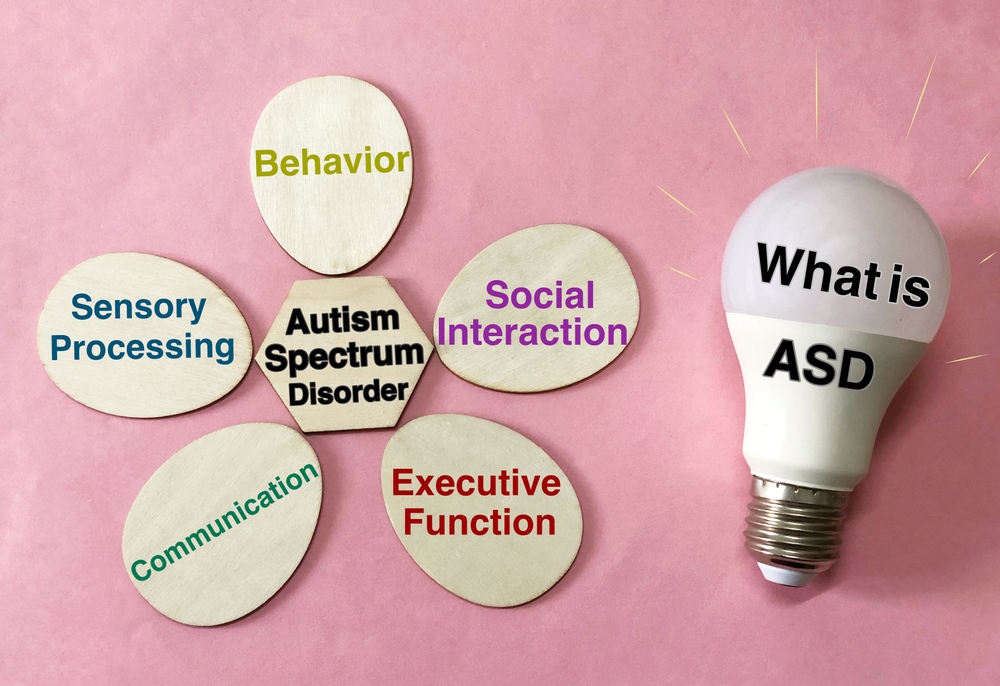
Applied Behavior Analysis (ABA) therapy has become one of the most effective treatments for children with autism, particularly when implemented with consistency and tailored to individual needs. However, one critical factor that can dramatically influence the success of ABA therapy is the active involvement of parents and caregivers. In Winston-Salem, North Carolina—a city rich in community values and growing autism resources—parent participation is more than a complementary component of therapy; it is foundational. For families seeking effective autism therapy in North Carolina, understanding the power of engagement through parent training ABA in Winston-Salem is essential to unlocking a child’s potential.
Understanding ABA Therapy and Its Impact on Families
ABA therapy is a research-based method of understanding and improving behaviors. It focuses on teaching socially significant skills through positive reinforcement and carefully analyzing behavior patterns. While therapists are skilled at implementing treatment plans during clinical sessions, a child’s environment outside of those sessions—especially at home—plays a substantial role in generalizing learned behaviors.
This is where the importance of family comes in. A child who receives ABA therapy only during designated hours may struggle to translate those skills to real-world environments if reinforcement and structure are absent in everyday life. Conversely, when parents are deeply involved, therapy doesn’t end at the clinic’s door. It becomes part of daily routines, from brushing teeth to managing meltdowns at the grocery store. ABA therapy support for families helps ensure that every member understands how to implement strategies effectively, creating a cohesive and supportive atmosphere.
In Winston-Salem, access to quality autism therapy in North Carolina is on the rise, but the most successful outcomes stem from a team approach—one that includes not just clinicians and educators but parents who are trained, empowered, and engaged.
The Role of Parent Training in ABA Therapy Success
Parent training ABA in Winston-Salem is not just a supplementary service—it’s a central pillar of many local programs. Through these training modules, parents learn how to understand the principles of ABA, identify triggers for challenging behaviors, and reinforce positive behaviors effectively. In doing so, they become co-therapists, reinforcing the same skills and strategies that children are learning in formal therapy sessions.
Training may include role-playing, video modeling, data collection instruction, and in-home coaching. These tools help parents respond with consistency and confidence, which are key to behavior change. More importantly, they allow families to address unique dynamics in the home that might not arise during clinic-based sessions. For example, a child might engage in different behaviors at home than in therapy due to differences in expectations or environmental triggers. Parent involvement allows for tailored interventions that align with the child’s needs across all contexts.
In Winston-Salem, where families often juggle work, school, and caregiving responsibilities, accessible parent training programs offer flexible scheduling, virtual sessions, and community support to accommodate diverse lifestyles. Local ABA providers are increasingly recognizing that successful autism therapy in North Carolina isn’t just about frequency of sessions—it’s about who is empowered to reinforce and support those sessions at home.
Building Strong Home-School-Therapy Partnerships
Effective ABA therapy involves not only parents but a broader ecosystem that includes schools, caregivers, and other service providers. A child may exhibit different behaviors in school versus at home, and without open communication between all parties, therapeutic goals can become disjointed. Parents act as the glue in this dynamic, connecting therapists with educators and ensuring continuity of care.
In Winston-Salem, collaborative care is encouraged through Individualized Education Plans (IEPs), team meetings, and shared data systems that allow parents to report behavior patterns, successes, and concerns. Therapists, in turn, use this data to refine strategies and create more effective interventions.
Additionally, ABA therapy support for families in Winston-Salem extends to helping parents advocate for their children in school settings. Many ABA-trained professionals assist parents in preparing for IEP meetings, translating therapeutic goals into educational ones, and ensuring that accommodations reflect the child’s needs accurately. These partnerships lead to stronger outcomes, not only in therapy but in academic and social domains as well.
Emotional and Practical Benefits for Parents
While the emphasis of ABA therapy is often on the child, it’s essential to acknowledge the emotional and practical impacts on parents. Raising a child with autism can be both rewarding and exhausting. Without proper support, caregivers may experience burnout, confusion, or feelings of helplessness. Parent involvement in ABA therapy transforms those emotions into empowerment.
Parent training ABA in Winston-Salem includes not just behavior intervention skills, but also emotional support and coping strategies for stress management. Through local support groups, workshops, and ongoing consultation with therapists, families are reminded that they are not alone. They are given a voice in the therapeutic process and are encouraged to ask questions, suggest goals, and share their insights.
This empowerment translates into greater confidence. Parents who are educated in ABA techniques feel more equipped to handle challenging behaviors, set boundaries, and celebrate milestones—however small they may seem. They also report stronger bonds with their children, as they begin to understand the “why” behind behaviors and approach them with empathy rather than frustration.
Practical benefits include better time management, improved household routines, and clearer communication between siblings and other family members. These benefits contribute to a more peaceful home environment, which in turn supports the child’s progress in therapy.
Community Engagement and Long-Term Outcomes in Winston-Salem
Winston-Salem is home to a growing network of autism resources, including schools, therapy centers, and support organizations committed to family-centered care. ABA therapy support for families in this region is evolving to reflect best practices in collaborative, inclusive, and accessible treatment.
Many ABA providers now host family events, workshops, and open-house trainings to foster community and reduce the isolation that some parents feel. These efforts are particularly meaningful in smaller cities like Winston-Salem, where close-knit communities value personal connection and long-term relationships.
Over time, children whose families are actively involved in therapy demonstrate greater gains in communication, daily living skills, and social behavior. They are better able to transition to school settings, maintain friendships, and regulate emotions—skills that set the stage for lifelong independence. These long-term benefits underscore the importance of consistent, engaged parent participation from the earliest stages of treatment.
Moreover, as more families in Winston-Salem become educated advocates for ABA, they help raise awareness in schools, churches, and community organizations. This ripple effect reduces stigma, enhances early intervention efforts, and creates a more inclusive city for individuals with autism.
In the context of autism therapy in North Carolina, Winston-Salem is leading by example. By recognizing that therapy is most effective when extended beyond the clinic—and into the hands of those who know the child best—the community is embracing a model of care that is both holistic and sustainable.
Conclusion
Parent involvement in ABA therapy is not a luxury—it’s a necessity. In Winston-Salem, where community values and clinical excellence intersect, parent training ABA in Winston-Salem is transforming families into partners, teachers, and advocates. From structured home environments to school collaborations and emotional resilience, the benefits of ABA therapy support for families are wide-reaching and deeply impactful.
As access to autism therapy in North Carolina continues to expand, the lessons from Winston-Salem are clear: children thrive when families are engaged, empowered, and educated. For parents considering ABA therapy, becoming an active participant isn’t just encouraged—it’s essential for long-term success.
Need In-Home Autism Therapy in Winston-Salem, NC?
Here at Modern Hope Autism Center, we understand how important it is to find the right support for your child, and we’re here to help every step of the way. Whether you’re looking for in-home ABA therapy, center-based services, or family training, our dedicated team is ready to provide the high-quality care your child deserves. We’re committed to creating a comfortable, nurturing environment where your child can thrive. If you have any questions or want to learn more about how we can support your family, don’t hesitate to reach out—we’re here to assist you in building a brighter future for your child.
Starting ABA for my child is a big step that can feel both exciting and overwhelming. If you live in Winston-Salem or the greater Triad, NC area, you’re not alone in wondering what the first week of Applied Behavior Analysis (ABA) therapy will look like for your child. Many families seek autism support in Triad, NC to help their children develop meaningful skills, and ABA therapy is a proven path for that journey. Knowing what to expect during those first crucial days can ease anxiety for both you and your child, helping you prepare for a smoother transition into this supportive therapy environment.
A Warm Introduction to the ABA Therapy Environment
During the first week of ABA therapy in Winston-Salem, your child will experience what is often called a “pairing” phase. This means that the behavior technician and your child will spend time building a positive relationship. Instead of jumping straight into skill acquisition programs or demands, the therapist will focus on learning what your child likes, what motivates them, and how to connect on their level. This is an essential foundation, as positive rapport helps establish trust and minimizes challenging behaviors right from the start.
You may notice that therapists spend a lot of time simply playing with your child, following their lead, and introducing themselves in a friendly, low-pressure way. While it might not look like therapy at first glance, this initial phase is vital. The therapist is collecting information about how your child communicates, what their interests are, and what reinforcers (rewards) might be most effective later. This groundwork is crucial to shaping individualized therapy that will resonate with your child as they move forward in their ABA program.
Initial Assessments and Observations
The first week is also a time for careful observation and data collection. Therapists will conduct skill assessments and sometimes formal preference assessments to understand where your child currently stands developmentally and behaviorally. They might assess language skills, social skills, play skills, self-help abilities, and problem behaviors. These assessments help create a clear baseline, so future progress can be measured in a meaningful way.
Parents often wonder why there are so many observations and why sessions seem slower at first. This is because ABA therapists want to get it right from the very beginning. By taking their time to carefully note patterns and preferences, they can develop a highly customized treatment plan that will best support your child’s needs. Therapists will also observe how your child responds to transitions, reinforcement, and new people, which are all critical data points for designing future programs.
Collaborating With the Family
One of the most important elements of the first week of ABA therapy in Winston-Salem is the involvement of the family. Effective ABA therapy is not something that happens in isolation; it relies on consistent communication and partnership with caregivers. In that first week, you can expect to have meetings or check-ins with the supervising Board Certified Behavior Analyst (BCBA), who will review treatment goals, discuss family priorities, and gather your input on what you hope to see as outcomes.
The BCBA might ask you about your child’s routines, your concerns about challenging behaviors, and what you’ve tried in the past. This family-centered discussion ensures that your values, cultural practices, and priorities are reflected in your child’s treatment plan. It also helps you feel empowered and knowledgeable about how therapy will support your child both in the clinic and at home. Many parents in Triad, NC searching for autism support appreciate that ABA teams see them as vital partners in their child’s progress.
Establishing Routines and Building Comfort
For many children, change can be difficult, especially for those on the autism spectrum. The first week of therapy is designed to gently ease them into a new routine. The therapy environment, whether a center-based clinic or home-based setting, will feel different, with new people, sounds, and expectations. Therapists will help your child get used to session schedules, transitioning from one activity to another, and becoming familiar with new routines in a positive and supportive way.
Parents often ask, “Will my child cry or resist at first?” It is very normal for a child to show hesitation or even protest in the first days of therapy. The therapists are trained to handle these reactions with compassion and skill. They will use a combination of positive reinforcement, engaging activities, and gradual exposure to make the transition less stressful. Over the course of the first week, you will likely see your child becoming more comfortable, beginning to enjoy the sessions, and developing a trusting relationship with their therapy team. This is an encouraging sign that the “pairing” process is working well.
Setting Goals and Looking Ahead
By the end of the first week, the therapy team will usually have gathered enough data to begin developing more targeted skill acquisition programs. This means they will write specific goals tailored to your child’s needs and strengths, whether those involve improving language, enhancing social interactions, or reducing challenging behaviors. The BCBA will review these goals with you and explain how progress will be tracked and measured.
You will also learn more about what a typical session will look like going forward. ABA therapy sessions are structured to include a balance of teaching opportunities, natural environment training, and breaks for reinforcement or relaxation. The schedule will be adjusted based on your child’s endurance, motivation, and preferences, which is why those first-week observations are so important. Throughout your child’s journey in ABA therapy in Winston-Salem, you will continue to have regular meetings to review data, adjust goals, and share progress. This collaboration ensures that therapy stays relevant and effective.
Additionally, many providers in Winston-Salem and the broader Triad, NC area connect families with broader autism support resources, including parent training, sibling support, and community programs. This means you won’t just have a therapy team working with your child, but a network of professionals and community resources to help your whole family thrive.
Final Thoughts
Starting ABA for my child is a moment full of hope and anticipation, but also natural worries about the unknown. The first week of ABA therapy is designed to make this transition as gentle and supportive as possible. From building rapport and trust to conducting thorough assessments, collaborating with you as a parent, and establishing a consistent routine, these early days set the stage for meaningful progress.
Winston-Salem families and those across Triad, NC have access to skilled and compassionate professionals who understand how to make those first steps in ABA therapy positive. Your child will be given the space to adjust at their own pace, while you receive guidance and support on how to participate in their growth. Remember, you are an essential partner in this process. Your observations, feedback, and encouragement will help the therapy team fine-tune the approach to best serve your child’s unique needs.
By the end of that first week, you’ll have a clearer picture of how ABA therapy will look day to day, what goals are in place, and how your child is beginning to adapt. This is only the beginning of a journey that can unlock remarkable growth and skill development. With consistency, patience, and teamwork, ABA therapy in Winston-Salem can become a powerful resource to help your child reach their fullest potential. Whether you are just starting or you’ve been searching for the right autism support in Triad, NC, know that taking this step is an investment in your child’s brighter future.
Need In-Home Autism Therapy in Winston-Salem, NC?
Here at Modern Hope Autism Center, we understand how important it is to find the right support for your child, and we’re here to help every step of the way. Whether you’re looking for in-home ABA therapy, center-based services, or family training, our dedicated team is ready to provide the high-quality care your child deserves. We’re committed to creating a comfortable, nurturing environment where your child can thrive. If you have any questions or want to learn more about how we can support your family, don’t hesitate to reach out—we’re here to assist you in building a brighter future for your child.
Applied Behavior Analysis (ABA) has emerged as one of the most evidence-based and effective therapies for children diagnosed with autism spectrum disorder (ASD). Parents seeking the best path forward often find themselves faced with a critical decision: should they pursue in-home ABA therapy or center-based ABA services? This question is especially important for families exploring options such as in-home ABA therapy in North Carolina or center-based ABA in Winston-Salem. Both models have their benefits, and understanding their unique features is vital in determining which environment will best support your child’s growth, development, and overall well-being.
Understanding the Fundamentals of ABA Therapy
ABA therapy uses principles of behavioral science to teach meaningful skills and reduce challenging behaviors. By breaking down skills into manageable steps, reinforcing positive behaviors, and using data-driven progress tracking, ABA helps children with autism gain independence and confidence. Both in-home and center-based models employ highly trained therapists who create individualized treatment plans tailored to a child’s specific needs. However, these settings differ in how they deliver services, structure their environment, and support your child’s daily routines.
In-home ABA therapy brings services directly to the family’s residence. Therapists work in the child’s natural environment, making it easier to generalize skills to daily life. Parents are more readily involved and can collaborate closely with the therapy team to integrate interventions throughout the day. In contrast, center-based ABA services provide therapy in a clinic-like setting, often designed with specialized equipment and resources. This controlled environment can focus intensely on skill acquisition without the distractions that may arise at home. When researching the best autism services in Lexington, NC, it’s important to understand how these models align with your family’s goals and your child’s individual strengths.
Benefits of In-Home ABA Therapy
One of the most significant advantages of in-home ABA therapy is its ability to foster skill generalization in a child’s familiar environment. Children often learn best in the same place where they will use their skills. For example, a child learning to communicate their needs can immediately practice those skills at their own kitchen table or bedroom, leading to faster and more consistent outcomes. In-home therapy also allows therapists to address specific challenges unique to a household, such as difficulties during mealtimes, bedtime routines, or sibling interactions.
Parent involvement is another core strength of in-home ABA. Parents can observe therapy sessions, receive hands-on training, and participate in daily interventions, making them integral partners in their child’s progress. This partnership creates a sense of empowerment for caregivers, as they can directly help their child grow and maintain learned behaviors even when therapists are not present. Families pursuing in-home ABA therapy in North Carolina often appreciate this naturalistic, collaborative approach.
However, in-home therapy is not without limitations. Distractions in the home, scheduling conflicts, or space constraints can sometimes interrupt the flow of therapy. Additionally, children who thrive on peer interaction might miss out on opportunities to build social skills alongside other children. These considerations should factor into any ABA care comparison when deciding which model may be most effective.
Advantages of Center-Based ABA Therapy
Center-based ABA therapy offers a structured, carefully controlled environment designed specifically for skill-building. Many centers are equipped with specialized learning materials, sensory-friendly spaces, and staff trained to manage a wide range of behaviors. This setting can reduce distractions and provide children with a highly consistent routine, which is beneficial for those who need a predictable structure to thrive.
One of the strongest advantages of center-based care is access to peer interaction. Children enrolled in center-based ABA in Winston-Salem, for example, often participate in group learning opportunities, where they can practice social skills like sharing, taking turns, and communicating with peers. These group sessions can be crucial for developing friendships and preparing children for inclusive school settings.
Furthermore, centers often have multidisciplinary teams under one roof, including speech therapists, occupational therapists, and behavior analysts. This team-based approach allows for seamless coordination of care and can address a wide range of developmental needs. Parents who prioritize professional oversight and a rich network of resources may find a center-based model aligns well with their priorities.
Nonetheless, center-based therapy may pose challenges such as transportation demands or less involvement in day-to-day therapy activities for parents. Some families may also find the transition between home and center challenging for their child. Balancing these pros and cons is an important part of any family’s ABA care comparison process.
Factors to Consider When Choosing Between In-Home and Center-Based ABA
Choosing the best environment for your child requires a holistic look at their unique needs, your family’s circumstances, and the specific therapy options available in your community. First, consider your child’s learning style and temperament. A child who is easily distracted may benefit from the controlled atmosphere of a center-based program, while a child who struggles to transfer skills from therapy to home life might excel with in-home sessions.
Family lifestyle and resources also matter. Parents who are actively involved and have the flexibility to coordinate with therapists may prefer in-home therapy, while working parents might appreciate the consistent schedule and professional oversight of a center-based clinic. It is essential to explore factors such as travel distance, waitlists, insurance coverage, and the availability of high-quality therapists in your area. For example, families searching for the best autism services in Lexington, NC should investigate the credentials of therapists, their training in evidence-based practices, and their track record of positive outcomes.
Another factor is the social component. If developing peer relationships is a top goal, center-based ABA might provide more consistent opportunities to practice social interactions with other children. On the other hand, if your child experiences anxiety in group environments or benefits from one-on-one instruction in familiar surroundings, in-home therapy might be a more supportive option.
Ultimately, there is no one-size-fits-all answer. The best decision comes from carefully weighing your child’s preferences, challenges, and strengths against the opportunities offered by each therapy setting. In many cases, families even choose to combine both approaches over time, taking advantage of the benefits each model provides.
Making the Decision for Your Family
Deciding between in-home and center-based ABA is a deeply personal choice. No family should feel pressured to adopt one model over another without a thoughtful evaluation of what will best support their child’s growth. Consulting with experienced behavior analysts, other parents, and pediatricians can help you make an informed decision grounded in both data and compassion. Many ABA providers will perform thorough assessments and recommend a setting based on your child’s unique profile, which can offer clarity during this important time.
If you’re exploring in-home ABA therapy in North Carolina or center-based ABA in Winston-Salem, schedule tours of programs, meet with therapists, and ask detailed questions about their methods, progress tracking, and family involvement. Look for providers who emphasize collaboration, evidence-based practices, and data-driven treatment plans. Doing so ensures that no matter which option you choose, you are giving your child access to the highest standard of care.
For many families, the decision comes down to creating a supportive, nurturing environment that prioritizes a child’s happiness and progress. Whether that environment is your own living room or a dedicated ABA center, remember that the goal is the same: helping your child thrive. Providers offering the best autism services in Lexington, NC can partner with you to build a treatment plan tailored to your child’s dreams, needs, and future opportunities.
Conclusion
In the end, what matters most is that your child is supported, respected, and given the chance to learn in a way that honors their individuality. Through careful research, open communication with therapy teams, and an honest assessment of your family’s strengths, you can feel confident in your choice between in-home and center-based ABA. With dedication and the right supports, your child can build the skills and confidence they need to lead a fulfilling and joyful life.
Need In-Home Autism Therapy in Winston-Salem, NC?
Here at Modern Hope Autism Center, we understand how important it is to find the right support for your child, and we’re here to help every step of the way. Whether you’re looking for in-home ABA therapy, center-based services, or family training, our dedicated team is ready to provide the high-quality care your child deserves. We’re committed to creating a comfortable, nurturing environment where your child can thrive. If you have any questions or want to learn more about how we can support your family, don’t hesitate to reach out—we’re here to assist you in building a brighter future for your child.
Applied Behavior Analysis (ABA) therapy is often surrounded by both hope and hesitation. For families navigating autism spectrum disorder (ASD) treatment, the promise of evidence-based outcomes can be incredibly reassuring. Yet, the journey is rarely straightforward. Questions arise about its effectiveness, ethical concerns, and how to advocate for your child within the system. In this comprehensive guide, we’re answering the most pressing and difficult questions with empathy and clarity—because parents deserve honest ABA therapy guidance they can trust.
What is ABA Therapy, Really?
ABA therapy is a structured approach to improving specific behaviors, including social skills, communication, academics, and adaptive learning skills such as hygiene and self-care. It’s one of the most widely researched and implemented treatments for individuals with autism, often recommended early in a child’s development. The principles of behaviorism—using reinforcement and consequences to shape behavior—serve as the foundation of ABA.
However, families often encounter conflicting perspectives. Some praise ABA for its transformative results, while others critique its rigidity or historical misuse. To get to the truth, it’s important to acknowledge that not all ABA therapy is delivered equally. The best programs today are dynamic, personalized, and focused on enhancing quality of life, not just eliminating “undesirable” behaviors.
Especially in Winston-Salem, where ABA therapy services have expanded over the past decade, parents are advised to evaluate providers on their approach. Are goals child-centered? Are sessions playful and positive? Are therapists trained in trauma-informed care? Honest ABA therapy recognizes that success isn’t just about compliance—it’s about connection, respect, and growth.
Is ABA Therapy Ethical and Respectful of My Child’s Autonomy?
This is a vital concern, and one that’s driven increasing dialogue in recent years. In its early years, ABA therapy often emphasized compliance, sometimes at the cost of the child’s emotional experience. Fortunately, the field has evolved. Ethical ABA practice today stresses consent, collaboration, and dignity. Still, as a parent, you must stay informed and engaged.
When choosing a provider, ask how they incorporate your child’s preferences into therapy goals. Do they value your input and include your child’s voice in decisions? Are therapists trained to identify signs of distress and adjust methods accordingly? These are not just procedural questions—they speak to the very heart of what ABA should be: a compassionate, flexible tool that adapts to the needs of your child.
In Winston-Salem, families seeking autism parent support should consider not just credentials, but philosophy. The right therapist will help your child thrive by respecting who they are, not by trying to “fix” them. Honest ABA therapy means transparency in methods, openness to feedback, and a commitment to continual ethical refinement.
What Should I Expect During an ABA Therapy Program?
ABA therapy often begins with a detailed assessment to identify strengths, challenges, and goals. From there, therapists develop a treatment plan tailored to your child’s needs. Programs typically include a mix of structured teaching, natural environment learning, and parent training. Depending on your child’s profile, therapy may be conducted at home, at a clinic, in school, or a blend of these environments.
It’s important to understand that progress in ABA is measured gradually. Success might look like a child learning to request help, tolerate changes in routine, or engage in back-and-forth conversation. While some goals may take weeks, others unfold over months. There are often plateaus or setbacks, which are normal and provide valuable information for refining the plan.
Communication is key. A strong ABA provider will keep you informed with regular updates, progress reports, and opportunities to observe or participate in sessions. You should never feel in the dark. Ask questions. If something doesn’t feel right, speak up. A provider who welcomes feedback is one who likely prioritizes honest ABA therapy—and your child’s long-term well-being.
How Do I Know If ABA Therapy is Working?
Evaluating the effectiveness of ABA therapy can be complex. While data tracking is a cornerstone of ABA, the numbers don’t tell the whole story. You might see graphs showing increases in “target behaviors,” but what does that mean in real life? Are you noticing improvements in your child’s ability to express themselves, manage frustration, or enjoy social interactions? These are the real benchmarks that matter.
Talk regularly with your child’s therapists. Ask for explanations behind the data and how it translates into daily functioning. If the focus is overly technical or disconnected from what you see at home, that’s a red flag. Effective ABA therapy should feel relevant and empowering—not abstract or mechanical.
In Winston-Salem’s ABA therapy landscape, quality varies. Some clinics may emphasize rapid outcomes or offer “cookie-cutter” programs. Others take the time to understand your child holistically. Look for providers who emphasize generalization (the ability to use learned skills across settings) and who celebrate emotional well-being alongside behavior change.
Ultimately, if your child seems more confident, engaged, and happier—even in small ways—those are signs that ABA is making a difference. Conversely, if your child shows distress, reluctance, or regression, it may be time to revisit the approach or provider.
What’s the Best Way to Support My Child Through ABA Therapy?
Your role as a parent is pivotal. The most effective ABA programs are not just therapist-led—they’re family-driven. This means consistent communication, shared strategies, and mutual trust between you and your therapy team. The more engaged you are, the more likely your child will benefit.
Start by asking to be trained in key interventions. Many ABA programs offer parent coaching, which can help you respond more effectively to challenges at home. This doesn’t mean becoming your child’s therapist—but it does mean learning tools that foster continuity and reduce frustration.
Also, protect your child’s balance. ABA therapy can be intense, with some programs recommending 20 to 40 hours a week. But quantity isn’t everything. Ensure your child has time for free play, rest, and simply being a kid. Monitor how therapy affects their mood and energy. Advocacy may involve saying no to more hours in favor of a more sustainable pace.
In Winston-Salem and beyond, autism parent support groups can be a lifeline. Whether in person or online, these communities offer encouragement, perspective, and shared wisdom. Other parents can validate your concerns and celebrate your child’s wins in a way few others can. You don’t have to go it alone.
ABA therapy is not a magic bullet, nor is it inherently good or bad. It’s a tool—and like any tool, its value depends on how it’s used. With honest ABA therapy, a responsive team, and your loving involvement, it can be a powerful ally in your child’s development.
Conclusion
This conversation—about ethics, effectiveness, and emotional nuance—isn’t always easy. But it’s essential. By asking the tough questions and demanding transparent answers, you’re not just a parent navigating treatment. You’re an advocate shaping a better future for your child—and for the field of ABA itself.
Need In-Home Autism Therapy in Winston-Salem, NC?
Here at Modern Hope Autism Center, we understand how important it is to find the right support for your child, and we’re here to help every step of the way. Whether you’re looking for in-home ABA therapy, center-based services, or family training, our dedicated team is ready to provide the high-quality care your child deserves. We’re committed to creating a comfortable, nurturing environment where your child can thrive. If you have any questions or want to learn more about how we can support your family, don’t hesitate to reach out—we’re here to assist you in building a brighter future for your child.
At Modern Hope Autism Center, we understand that every child on the autism spectrum is unique. Their journey, progress, and developmental needs evolve over time. That’s why our approach to Applied Behavior Analysis (ABA) therapy is not one-size-fits-all. Instead, it’s an adaptable, lifelong model that grows with your child. Rooted in compassion, data, and evidence-based strategies, our ABA therapy in North Carolina—particularly within the Piedmont Triad region—is designed to meet your child where they are and guide them to where they can go. We take pride in offering lifelong ABA benefits to families seeking meaningful, sustained progress for their children.
A Foundation Built on Individualized Care
When families first come to Modern Hope Autism Center, they often bring a mix of hope, concern, and a deep desire to see their children thrive. From the very first intake meeting, we begin building a foundation tailored specifically to each child’s current abilities, learning style, and personal goals. Through detailed assessments and family interviews, we identify key areas for development—whether it’s communication, social interaction, self-help skills, or behavior management.
ABA therapy is widely recognized as the gold standard for autism support in Piedmont Triad and beyond. Yet at Modern Hope, we go further. We pair clinically validated techniques with emotional intelligence and family involvement. This ensures that therapy isn’t just something that happens in a session, but something that naturally integrates into the child’s daily life. As we implement each child’s individualized treatment plan, we continuously track progress using observable, measurable data. This allows us to adjust techniques and goals dynamically as the child grows and develops.
Our center-based model provides structure, while our home and community-based options foster real-world application. We recognize that what works for a toddler may not be ideal for a teenager. Our ABA strategies evolve in sync with each developmental stage, ensuring continuity and effectiveness over time.
Progressing Through Developmental Milestones
Childhood is a time of constant growth—physically, cognitively, socially, and emotionally. For children on the spectrum, these transitions can be both exciting and challenging. At Modern Hope, our therapy programs are built to support each stage of this journey.
In early childhood, our focus is often on developing foundational skills. These may include early communication (such as requesting items, eye contact, or initiating interaction), potty training, or responding to simple instructions. We use play-based interventions, natural environment teaching, and discrete trial training to ensure that learning is engaging and fun.
As children enter school-age, we pivot our strategies to support academic readiness, peer interaction, and adaptive behaviors like task completion and classroom routines. Our behavior technicians and Board Certified Behavior Analysts (BCBAs) collaborate with parents and educators to build a bridge between home, therapy, and school environments.
For adolescents, our therapy expands to include life skills, self-advocacy, and emotional regulation. Whether preparing for middle school transitions or thinking ahead to independent living, we ensure our clients are equipped with the skills they need. Social skills groups and functional communication training become particularly important, as teenagers seek autonomy and identity.
By supporting a child from early childhood through adolescence—and potentially into adulthood—we provide stability and familiarity. This longitudinal relationship often yields better outcomes, greater trust, and a smoother transition across life stages.
Lifelong ABA Benefits Beyond Childhood
One of the most common misconceptions about ABA therapy is that it’s only effective or relevant in early childhood. At Modern Hope Autism Center, we believe that the benefits of ABA can be lifelong—not just because of the skill acquisition that occurs early, but because of the ongoing support it offers throughout the lifespan.
In the Piedmont Triad area, we’re proud to be one of the few centers offering ABA therapy in North Carolina that’s equipped to serve individuals across all age groups. Young adults may need support with job training, money management, or navigating college environments. Older clients may benefit from help with relationships, time management, or community living.
Because we start from a strong behavioral foundation, we’re able to scaffold new skills with familiar tools. Clients and their families are often relieved to discover that their ABA team continues to be a resource long after traditional pediatric services have ended. This continuity is especially valuable in transitional times—whether it’s entering high school, aging out of school-based services, or preparing for employment.
Modern Hope’s commitment to lifelong ABA benefits is more than a service model—it’s a philosophy. We believe that all individuals, regardless of age or ability level, deserve access to learning, growth, and empowerment.
Community-Focused Autism Support in Piedmont Triad
Our dedication to personalized, developmentally responsive ABA therapy is deeply rooted in our commitment to the Piedmont Triad community. With strong ties to Greensboro, Winston-Salem, and High Point, we serve families from diverse backgrounds with a shared goal: helping children and teens on the autism spectrum lead meaningful lives.
We regularly collaborate with local schools, pediatricians, and community organizations to ensure that our services are integrated into the broader support ecosystem. Parent training is a cornerstone of our practice, and we offer regular workshops, one-on-one coaching, and open communication so caregivers feel confident and empowered at every step of their child’s journey.
The community knows us not just as a therapy provider, but as a trusted partner. This trust is built on our results, consistency, and the personal relationships we develop with families. Our ABA therapists are not just trained professionals—they are compassionate, dedicated individuals who invest in each child’s long-term success.
In a region as interconnected as the Triad, this community approach makes a lasting impact. Families feel supported, children feel seen, and progress becomes a shared celebration. Our presence in the community helps break down stigmas, promote awareness, and foster inclusivity for those with autism and related challenges.
Why Modern Hope is the Right Choice for ABA Therapy in North Carolina
Choosing an ABA provider is a deeply personal decision for any family. At Modern Hope Autism Center, we recognize that trust must be earned, and outcomes must be real. That’s why we emphasize both evidence and empathy in everything we do.
Our data-driven methods ensure that progress is not left to chance. Every session is purposefully designed, every goal is measurable, and every success is celebrated. At the same time, our therapists and clinicians treat each child with dignity, respect, and love. We never lose sight of the human side of our work.
We take pride in being a leading provider of ABA therapy in North Carolina—not just because of our expertise, but because of our unwavering commitment to children and their families. The lifelong ABA benefits we deliver are not a static promise; they are dynamic outcomes rooted in real relationships and responsive care.
From first words to first jobs, we’re with your child every step of the way. In the Piedmont Triad and beyond, Modern Hope Autism Center is your partner in growth, empowerment, and hope.
Let us help your child reach their fullest potential—today, tomorrow, and for all the years to come.
Need In-Home Autism Therapy in Winston-Salem, NC?
Here at Modern Hope Autism Center, we understand how important it is to find the right support for your child, and we’re here to help every step of the way. Whether you’re looking for in-home ABA therapy, center-based services, or family training, our dedicated team is ready to provide the high-quality care your child deserves. We’re committed to creating a comfortable, nurturing environment where your child can thrive. If you have any questions or want to learn more about how we can support your family, don’t hesitate to reach out—we’re here to assist you in building a brighter future for your child.