


Preparing for Kindergarten in Winston-Salem: How Center-Based ABA Therapy Builds School-Readiness Skills This Spring
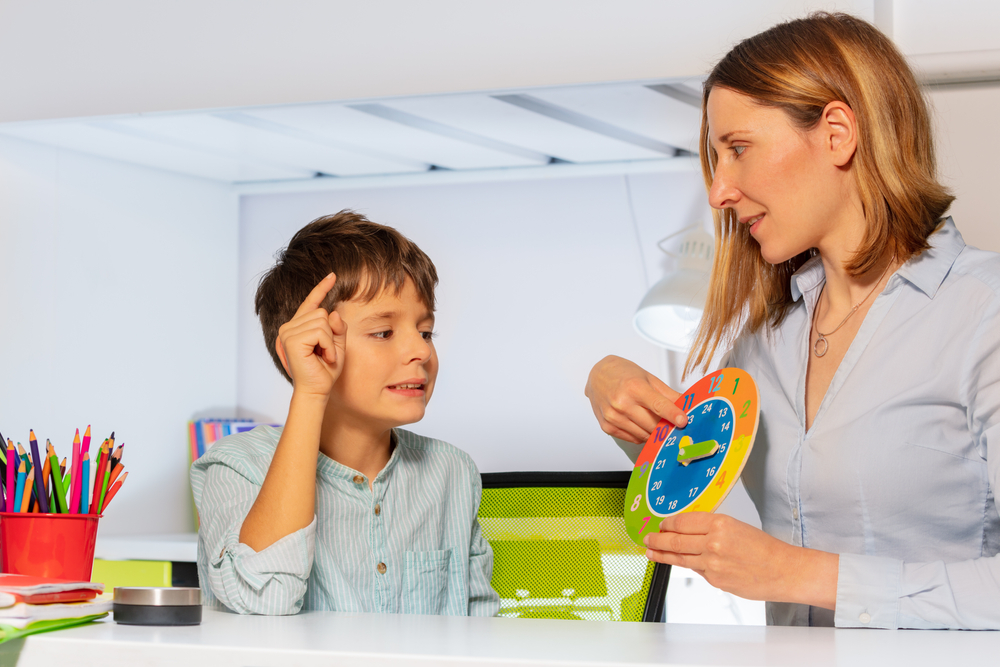
As spring arrives in Winston-Salem, NC, families with children on the autism spectrum are beginning to prepare for one of life’s most significant transitions: starting kindergarten. This milestone brings excitement, anticipation, and sometimes anxiety for both parents and children. For families navigating autism in the Winston-Salem area, center-based ABA therapy has emerged as a powerful tool for building school readiness skills during these critical months before school begins.
Kindergarten readiness involves much more than knowing letters and numbers. It requires social skills, emotional regulation, the ability to follow directions, and the confidence to navigate a new environment. Children with autism often benefit from structured, evidence-based interventions that prepare them specifically for the demands of a classroom setting. In Winston-Salem, NC, center-based therapy providers understand the unique needs of children on the autism spectrum and can tailor interventions to address the exact skills necessary for school transition.
Understanding School Readiness Beyond Academics
School readiness encompasses a much broader range of abilities than many parents initially realize. While academic knowledge matters, the foundations of kindergarten success rest on behavioral, social, and emotional competencies. Children need to sit quietly, raise their hands, wait for turns, follow multi-step instructions, and manage transitions between activities. For children with autism, these seemingly routine aspects of classroom life can present significant challenges.
In North Carolina, educators increasingly recognize that children who excel in kindergarten possess strong foundational skills in attention, impulse control, and social awareness. Center-based ABA therapy in Winston-Salem addresses these core competencies through systematic, individualized programming. Applied Behavior Analysis focuses on understanding how children learn and what environmental factors influence their behavior. By identifying specific deficits and building skills methodically, ABA therapy helps children develop the behavioral foundation necessary for classroom success.
School transition represents one of the most complex changes in early childhood. Children must adapt to new routines, new adults, new peers, and new physical environments. The structured environment of a center-based therapy facility in the Winston-Salem, NC area can serve as a bridge between home and school, gradually introducing children to expectations and routines that mirror kindergarten classroom dynamics.
Building Social Skills for Peer Interaction
Perhaps the most critical component of kindergarten readiness involves social skills and peer interaction. Kindergarten classrooms require children to navigate complex social situations: sharing materials, taking turns during group activities, joining conversations, and responding appropriately to both adults and peers. Many children with autism struggle with these foundational social competencies, which can lead to isolation and difficulty forming friendships.
Center-based ABA therapy in Winston-Salem, NC provides structured opportunities for social skill development within a controlled environment. Therapists can observe children interacting with peers, identify specific areas of difficulty, and implement targeted interventions. For example, a child who struggles with initiating conversation with peers might receive coaching and practice in how to approach classmates, initiate greetings, and maintain basic exchanges. Another child might need support in understanding the unspoken rules of turn-taking or recognizing when to offer help to a peer.
Social skills training through ABA therapy is not merely theoretical instruction. Instead, therapists create real-world practice opportunities, providing immediate feedback and reinforcement when children demonstrate appropriate social behaviors. This hands-on approach, available through Triad-area therapy centers in Winston-Salem, helps children internalize new skills more effectively than classroom instruction alone could provide. By spring, children who participate in intensive social skills programming emerge with greater confidence and competence in peer interactions, providing an enormous advantage as they enter kindergarten classrooms.
Developing Attention and Following Directions
One of the most essential school readiness skills involves the ability to attend to instruction and follow directions in a group setting. Kindergarten teachers provide instructions to groups of twenty or more students simultaneously. Children who cannot focus during whole-group instruction or who struggle to understand and execute multi-step directions face immediate challenges in the classroom.
ABA therapy programs in Winston-Salem, NC specifically target attention and instruction-following through systematic skill-building. Therapists begin with baseline assessments that identify exactly how long a child can attend to a task, what types of activities hold their interest, and what types of instructions they can process independently. From this foundation, therapists gradually increase demands, helping children extend their attention span and develop the ability to follow increasingly complex directions.
Preparing for school in the Winston-Salem area through center-based autism therapy means practicing these attention skills within a therapeutic context. Children learn to sit at a desk, respond to their name, make eye contact, listen to instructions, and execute tasks independently. These foundational behaviors, which many typically-developing children acquire naturally, often require explicit teaching and practice for children with autism. By practicing these skills repeatedly in the spring months before kindergarten begins, children build automaticity and confidence that transfers directly to the classroom setting.
Managing Transitions and Flexible Thinking
Kindergarten presents children with constant transitions. They move from circle time to independent work, from classroom to bathroom, from indoor to outdoor play, and from learning activities to cleanup. Many children with autism struggle with transitions because they prefer predictability and sameness. Inflexibility in thinking can make it difficult for children to shift between activities, accept changes to routines, and adapt when unexpected situations arise.
Center-based ABA therapy in the Winston-Salem, NC area addresses transition difficulties through careful planning and graduated exposure. Therapists teach children to recognize transition cues, develop visual supports to communicate upcoming changes, and practice moving between activities repeatedly. Over time, children develop cognitive flexibility and learn to anticipate and manage transitions with increasing independence.
Preparing for school this spring provides an excellent opportunity to intensify transition training. Therapists can structure sessions to mimic kindergarten schedules, moving children between different activities and environments. They can practice the specific transitions that will occur in kindergarten classrooms. By the time children enter their new classroom in the fall, transitions feel familiar and manageable rather than overwhelming and distressing. This preparation significantly reduces anxiety for both children and parents while enabling teachers to focus on academics rather than behavior management.
Creating Positive Relationships with Authority Figures
School success depends not only on what children know but on their willingness to cooperate with teachers and follow adult direction. For children with autism, relationships with adults can be complicated by sensory sensitivities, difficulty reading social cues, or previous negative experiences. Some children struggle to accept correction or respond defensively when redirected.
Center-based ABA therapy provides opportunities to build strong, positive relationships with adults in a therapeutic context. Therapists create warm, supportive relationships while simultaneously implementing behavior management strategies that help children learn to respond appropriately to adult direction. This relationship becomes a model for the kind of connection children can build with their future kindergarten teacher.
During spring sessions in the months before school transition, therapists can intentionally practice the specific types of interactions that will occur in kindergarten. They model how to respond when a teacher gives an instruction, how to accept praise, how to respond to correction, and how to ask for help. This targeted preparation helps children view their kindergarten teacher as a trusted guide rather than an authority figure to be feared or resisted.
Conclusion
Preparing for school in Winston-Salem, NC requires more than simply waiting for kindergarten to begin. Center-based ABA therapy provides structured, evidence-based interventions that build the exact school-readiness skills children with autism need to succeed. This spring represents a critical window for intensive skill development. By leveraging autism therapy resources available in the Triad area and throughout North Carolina, families can ensure their children enter kindergarten with the behavioral, social, and academic foundations necessary for success and confidence in the classroom.
Need In-Home Autism Therapy in Winston-Salem, NC?
Here at Modern Hope Autism Center, we understand how important it is to find the right support for your child, and we’re here to help every step of the way. Whether you’re looking for in-home ABA therapy, center-based services, or family training, our dedicated team is ready to provide the high-quality care your child deserves. We’re committed to creating a comfortable, nurturing environment where your child can thrive. If you have any questions or want to learn more about how we can support your family, don’t hesitate to reach out—we’re here to assist you in building a brighter future for your child.