


How ABA Therapy Helps Nonverbal Children in Winston-Salem Develop Communication Skills and Build Confidence
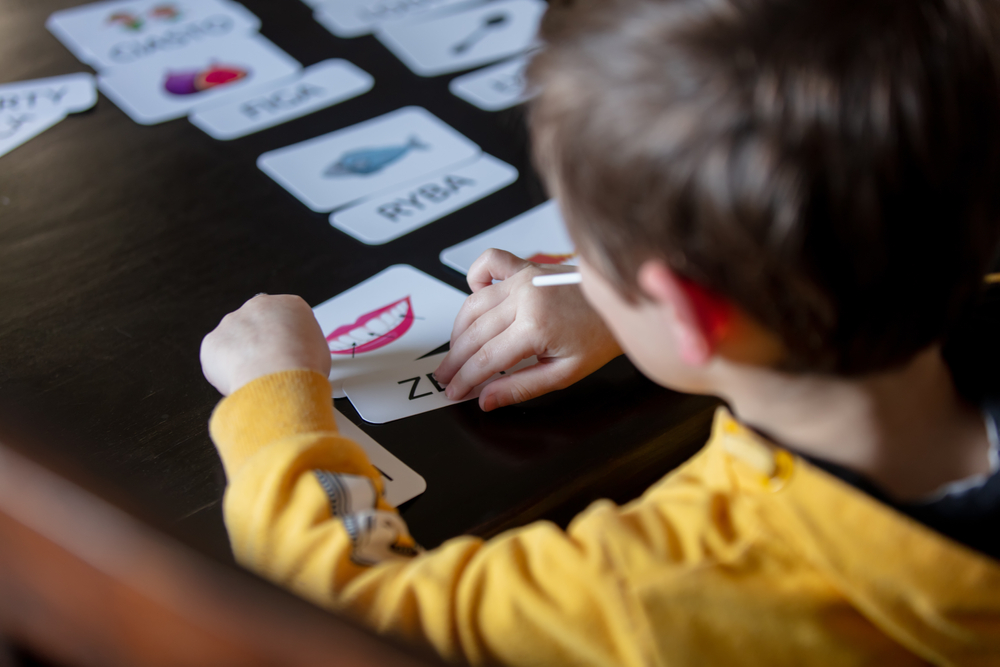
For families raising a nonverbal or minimally verbal child, everyday moments such as asking for a snack, requesting a break, or showing that something hurts can become significant communication challenges. In Winston-Salem, families may explore Applied Behavior Analysis, commonly called ABA therapy, as one approach to helping their child develop practical communication skills.
ABA therapy can help nonverbal children learn ways to express their needs, preferences, feelings, and choices through individualized teaching and positive reinforcement. Communication does not have to mean spoken words. Depending on the child, goals may involve gestures, pictures, communication devices, signs, vocalizations, or speech.
What Winston-Salem families should know
-
ABA therapy can break communication skills into manageable steps and provide repeated opportunities to practice them.
-
Communication goals should reflect the individual child rather than assuming spoken language is the only successful outcome.
-
Children can practice skills that apply to everyday situations at home and throughout the Winston-Salem community.
-
Parents and caregivers can play an important role in helping children use newly learned communication skills outside therapy.
-
Greater ability to communicate needs and make choices can support independence and participation in daily routines.
Why Does Communication-Focused ABA Therapy Matter for Nonverbal Children?
Communication-focused ABA therapy matters because it can give a nonverbal child practical ways to express wants, needs, choices, discomfort, and interests. For families in Winston-Salem and Forsyth County, those skills can support everyday routines at home and participation in community settings.
A child who cannot easily communicate may need another reliable way to tell a caregiver “more,” “all done,” “help,” “break,” or “no.” Building those skills can make everyday interactions clearer for both the child and the people supporting them.
Communication also extends beyond requesting favorite items. Skills may include getting someone’s attention, responding to choices, rejecting something appropriately, following communication exchanges, or participating in social interactions.
At Modern Hope Autism Center, communication goals should be approached according to each child’s current abilities and individual needs. We can focus on functional skills that have meaningful applications in the child’s daily life rather than treating every child’s communication development as identical.
How Can ABA Therapy Teach a Nonverbal Child to Communicate?
ABA therapy can teach communication by identifying an appropriate skill, breaking it into achievable steps, providing structured opportunities to practice, and reinforcing successful communication. The exact method can differ considerably because nonverbal and minimally verbal children do not all communicate or learn in the same way.
For example, a child who reaches toward a preferred toy might work toward using a gesture, picture, sign, or communication device to request it. Another child may already use a communication system but need help applying it more independently.
Skills can be practiced during activities that matter to the child. This helps communication become something useful rather than an isolated exercise.
For families around Ardmore, West End, Buena Vista, and other Forsyth County communities, the larger goal is for communication to become increasingly useful across ordinary routines and environments.
What Communication Methods Can Be Used During ABA Therapy?
Communication methods used during ABA therapy may include gestures, pictures, signs, speech-generating or augmentative communication systems, vocal communication, and spoken language when appropriate. The right approach depends on the child’s existing skills, needs, and broader treatment recommendations.
Communication is successful when it allows a child to express something meaningfully. A spoken word is not the only valid form of communication.
Some children may benefit from learning to point or gesture more consistently. Others may use picture-based communication or an augmentative and alternative communication system. Children who make sounds or approximations may work on expanding those abilities when appropriate.
The method selected for an individual child should not be assumed based solely on an autism diagnosis or the fact that the child is currently nonverbal.
How Can Better Communication Help Build Confidence?
Better communication can support confidence by giving children more opportunities to influence their environment, make choices, request assistance, and participate in familiar routines. When a child learns that communicating effectively can produce a meaningful response, they may have more opportunities to interact independently.
Consider a routine family outing near Reynolda Gardens, Hanes Mall, or another familiar area destination. A child may need to communicate that they want a particular item, need help, want to leave, or need a break.
Those seemingly simple interactions can be meaningful skills.
Confidence should not be measured by how talkative a child becomes. For a nonverbal child, progress may look like independently requesting help, choosing between two activities, communicating “no,” or using a device without being prompted.
What Are Common Signs a Child May Need More Communication Support?
Signs that a child may need additional communication support include difficulty expressing basic needs, limited ways to request help, and frequent reliance on adults to interpret behavior. Parents in Winston-Salem may notice these challenges during meals, play, transitions, outings, or other everyday situations.
Possible signs include:
-
Taking an adult directly to a desired object instead of communicating a request.
-
Becoming upset when caregivers cannot determine what the child wants.
-
Having difficulty communicating “help,” “stop,” or “break.”
-
Relying heavily on prompting before making requests.
-
Having a limited way to make choices between activities or items.
-
Using communication successfully in one setting but not another.
-
Having difficulty gaining another person’s attention appropriately.
These signs alone do not determine whether ABA therapy is appropriate. They can, however, give families useful information to discuss with qualified professionals.
When Should Winston-Salem Families Seek Professional Communication Support?
Families should consider professional support when communication challenges regularly affect a child’s ability to express needs, participate in routines, or interact safely and independently. A professional evaluation can help determine the child’s current abilities and which communication goals or supports may be appropriate.
Parents can continue encouraging communication naturally at home, such as offering choices and giving their child opportunities to request preferred activities. More individualized support may be useful when a child has significant difficulty communicating across daily situations.
Families should also avoid assuming that all communication difficulties have the same cause or require the same intervention. ABA services can be one part of a child’s broader support plan.
What Skills Are Commonly Addressed in Communication-Focused ABA Therapy?
Communication-focused ABA therapy commonly addresses functional requests, choices, attention-getting, responding, social interaction, and increasing independence with an established communication method. Which skills receive priority should depend on what would make the greatest practical difference for that particular child.
A child might work on requesting a favorite snack before expanding to requesting help. Another may already request items but need practice communicating during transitions.
Local families may want skills that carry over into routines throughout Forsyth County, including time at home, trips to local parks, errands, family visits, and community activities.
Progress is more meaningful when a communication skill can be useful beyond a structured teaching session.
How Can Parents Reinforce Communication Skills at Home?
Parents can reinforce communication skills at home by creating natural opportunities for their child to use the communication method being taught and by responding consistently when the child communicates appropriately. Home practice should complement the child’s individualized goals rather than introduce conflicting expectations.
For example, caregivers might offer a choice between two preferred activities and allow time for the child to respond using the communication method they are learning. Daily routines such as meals, playtime, getting dressed, and preparing for outings can provide natural practice.
Consistency can also help a skill transfer from therapy into daily life in Winston-Salem. Caregivers should follow recommendations from the professionals involved in their child’s care rather than improvising techniques that may not fit the treatment plan.
What Results Can Families Realistically Expect From ABA Therapy?
Families can realistically expect ABA therapy to focus on measurable, individualized skill development rather than a guaranteed communication outcome. Progress can vary from child to child, and the form, pace, and extent of communication development depend on individual abilities and needs.
One child’s progress might involve independently selecting a picture to request an item. Another might begin using a communication device in more situations. A different child may increase vocal communication.
The goal is not to compare one child’s timeline with another child’s. Families can instead look at whether the child is gaining useful skills and becoming more independent with the communication system appropriate for them.
What Communication Mistakes Should Families Avoid?
Common communication mistakes include expecting speech to be the only acceptable outcome, anticipating every need before the child has an opportunity to communicate, and expecting a newly learned skill to transfer automatically to every environment. A better approach is to support functional communication consistently while respecting the child’s individual abilities.
Mistake: Focusing only on spoken words.
Consequence: Other useful forms of communication may be overlooked.
Better approach: Support the communication method appropriate for the child’s needs and recommendations.
Mistake: Immediately providing everything the child appears to want.
Consequence: There may be fewer natural opportunities to practice requesting.
Better approach: Follow the child’s treatment recommendations for creating appropriate communication opportunities.
Mistake: Expecting immediate independence everywhere.
Consequence: A child may become successful in one situation but still need support elsewhere.
Better approach: Practice skills across appropriate people, routines, and environments over time.
What Is a Common Communication Scenario for a Winston-Salem Family?
A common local scenario is a child who can communicate effectively during familiar activities at home but struggles to use the same skill during community outings. The family may find that communication becomes more difficult when routines change, distractions increase, or unfamiliar situations arise.
For example, imagine a child who has learned to request a break during a familiar home routine. During an outing in downtown Winston-Salem or a family activity elsewhere in Forsyth County, the child may initially need additional support to use that same communication skill.
This is not a case study or a specific client example. It illustrates why practicing useful skills across appropriate situations can matter.
How Can ABA Services Support Functional Communication?
ABA services can support functional communication by identifying meaningful goals, teaching skills systematically, monitoring progress, and helping children practice those skills across relevant situations. Communication goals can be incorporated into broader work involving daily routines, social participation, independence, and other individualized needs.
At Modern Hope Autism Center, we understand that families may have questions about what communication-focused ABA services could look like for their child. Our role is to focus on individualized needs and practical skills rather than assume one communication goal fits every child.
How Do Structured Therapy and Everyday Practice Compare?
Structured therapy provides planned teaching opportunities and progress monitoring, while everyday practice gives children opportunities to use communication skills during real routines. For families in the Winston-Salem area, these approaches can complement each other when home practice follows the child’s individualized treatment recommendations.
Structured sessions can make it easier to teach a skill in carefully planned steps. Everyday situations can then provide opportunities to use that skill when it matters.
The goal is not for parents to turn every interaction into a therapy session. Instead, families can learn how to recognize natural communication opportunities and respond consistently.
What Areas Can Families Consider for ABA Therapy Support?
Families seeking ABA therapy in Winston-Salem may also come from surrounding Forsyth County communities and nearby areas such as Clemmons and Kernersville. Availability and service areas should always be confirmed directly with the provider before families make care arrangements.
What Can Happen When Communication Challenges Remain Unaddressed?
Unaddressed communication challenges can continue to make it difficult for a child to express needs, request assistance, make choices, or participate independently in everyday routines. Seeking appropriate support can help families better understand the child’s communication abilities and identify practical goals.
Waiting does not mean a specific negative outcome will occur. However, families who are concerned about communication do not have to rely on guesswork.
A professional conversation can help clarify what type of evaluation or support may be appropriate.
Frequently Asked Questions About ABA Therapy and Nonverbal Communication
Can ABA therapy help a nonverbal child in Winston-Salem communicate?
Yes, ABA therapy can be used to teach functional communication skills to nonverbal children when it is appropriate for the child’s individual needs. Goals might involve gestures, pictures, signs, communication devices, vocalizations, or speech. The specific approach should be based on an individualized assessment rather than a predetermined expectation.
Does ABA therapy require a nonverbal child to learn spoken language?
No, functional communication does not have to be limited to spoken language. A child may communicate through gestures, signs, pictures, or an augmentative communication system when appropriate. Families in Winston-Salem should discuss individual communication goals and methods with the qualified professionals involved in their child’s care.
How quickly can a child develop communication skills through ABA therapy?
There is no single timeline because communication progress differs from child to child. A child’s starting skills, individual goals, learning needs, communication method, and opportunities for practice can all affect progress. Families should focus on individualized progress rather than comparing their child’s development with another child’s timeline.
Can communication skills learned in therapy be used around Forsyth County?
Yes, communication skills can be practiced toward use across different appropriate settings, but transfer is not always automatic. A child who communicates successfully in one environment may initially need additional support elsewhere. Individualized practice can help children use functional skills during home routines and community activities.
Can parents help with communication goals at home in Winston-Salem?
Yes, caregivers can often support communication by following the child’s individualized recommendations and creating appropriate opportunities to use learned skills during normal routines. Meals, play, getting ready, and family activities can all offer practice opportunities without requiring parents to turn the home environment into a formal therapy setting.
Can ABA therapy help a child communicate that they need a break?
Yes, requesting a break can be an important functional communication skill when it is appropriate to the child’s needs. Depending on the child’s communication system, that request could involve a gesture, picture, sign, device, vocalization, or spoken word. Teaching an understandable way to request help or a break can support independence.
Is ABA therapy only about reducing challenging behavior?
No, ABA therapy can address skill development as well as behavior, including functional communication, independence, and other individualized goals. For a child with limited communication, teaching an effective way to express wants or needs may be an important part of an individualized program.
How do I know whether ABA therapy is appropriate for my child?
The appropriate next step is to discuss your child’s needs with qualified professionals who can consider their individual abilities and circumstances. A blog cannot determine whether a specific child should receive ABA therapy. Families in Winston-Salem can seek professional guidance about available evaluations, treatment options, and communication supports.
Help Your Child Build Practical Communication Skills in Winston-Salem
Communication can take many forms, and meaningful progress should reflect what helps an individual child express needs, make choices, and participate more independently. We are here to help local families explore individualized ABA therapy options centered on practical skills and their child’s needs.