


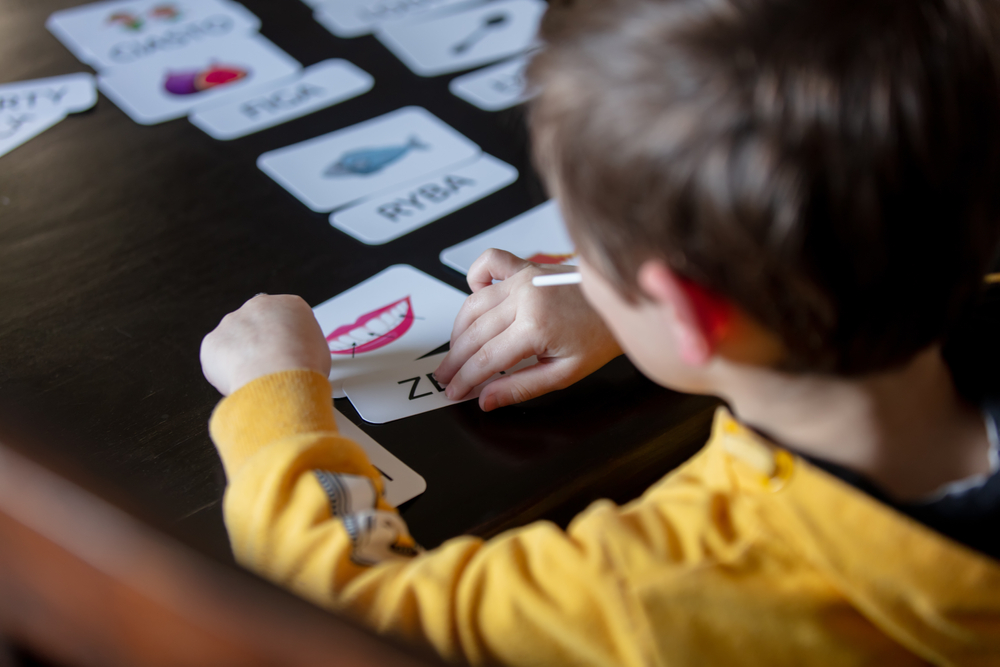
For families raising a nonverbal or minimally verbal child, everyday moments such as asking for a snack, requesting a break, or showing that something hurts can become significant communication challenges. In Winston-Salem, families may explore Applied Behavior Analysis, commonly called ABA therapy, as one approach to helping their child develop practical communication skills. ABA therapy
READ MOREBlog
Blog
Preparing for the Transition from Early Intervention to School-Age ABA Support in Winston-Salem

Moving from early intervention into the school-age years can bring meaningful changes for families of children with autism. In Winston-Salem, that transition may involve new school routines, changing therapy goals, different schedules, and greater expectations for independence across home and community settings. Planning ahead can help families approach these changes with clearer priorities and fewer
READ MOREHow ABA Therapy Helps Children with Autism Build Independence in Daily Living Skills at Home and in the Community

For families in Winston-Salem, independence often develops through ordinary moments: getting dressed before school, helping prepare a snack, putting away belongings, or getting ready to leave the house. For a child with autism, these everyday routines may require skills that need to be taught more deliberately and practiced consistently. ABA therapy can help children learn
READ MOREHow Center-Based ABA Therapy Supports Siblings and the Whole Family in Winston-Salem, NC

When one child is diagnosed with autism, the entire family experiences changes. Parents often balance therapy appointments, school schedules, work responsibilities, and the emotional needs of every child in the home. For families in Winston-Salem, finding the right support can make daily life more manageable while helping every family member feel seen and supported. Quick
READ MORENavigating Summer Breaks with Autism: 8 Fun, Low-Stress Activities for Families in Winston-Salem, NC

Summer break can be exciting, but it can also disrupt the routines many autistic children rely on to feel comfortable and confident. With school out, families across Winston-Salem often look for activities that are enjoyable without being overwhelming. Finding the right balance between fun, structure, and sensory needs can help make summer more relaxing for
READ MORE